


JMU maintains an illicit discharge detection and elimination (IDDE) program to prevent unnecessary pollution of our campus and Virginia’s waterways. All visitors, students, employees, and contractors are required to follow the campus wide IDDE Policy and keep pollution off the ground and out of our streams, lake, and storm system. JMU's program also consists of a GIS based storm sewer system map, annual outfall inspections, and an education program.
What is an "illicit discharge?"
By definition, an illicit discharge is any discharge to a municipal separate storm sewer system that is not composed entirely of stormwater, except discharges pursuant to a separate stormwater, industrial, or state permit (other than the state permit for discharges from the municipal separate storm sewer), discharges resulting from firefighting activities, and discharges identified by and in compliance with 9VAC25-890-20. In other words, an illicit discharge is the discharge of any substance into a storm sewer system that is NOT stormwater. Some examples of these substances include, but are not limited to:
-
- Cleaning Supplies
- Construction Wastes (debris, sludge, etc.)
- Vehicle Wash Water
- Paint
- Vehicle Oil
- Grease
- First flush from fire sprinkler systems
Are there exceptions to this policy?
Yes! Below are examples of what is not an illicit discharge:
-
- Firefighting Activities
- Dechlorinated Swimming Pool Discharges
- Landscape Irrigation and Lawn Watering
- Dechlorinated Water Line Flushing
- Air Conditioning Condensation
What should I do if I witness an illicit discharge?
If you notice any illicit discharges (pollution), improper disposal or spills, have concerns about land disturbing activities, or have other potential stormwater pollution concerns, please report pollution incidents on campus to our stormwater team. You may report pollution by contacting the Stormwater Coordinator by phone at (540) 568-3174 or email at stormwater@jmu.edu.
OR you may report anonymously via our NEW Online reporting tool.
Please be prepared to give the following information if possible:
- Source of pollution
- Location of problem
- Responsible party (if known)
- Date and time
What is the difference between a storm sewer and a sanitary sewer?
Sanitary sewers are underground pipes that carry liquid from places in a building like the bathroom, sinks, and kitchens to a wastewater treatment plant. Substances that enter sanitary sewers are filtered and treated before being discharged.
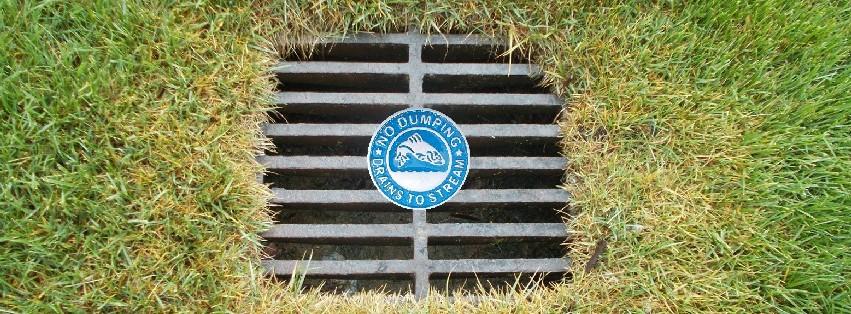
While storm sewers may seem similar they are only designed to carry stormwater and runoff. Storm sewers are not treated and lead directly into our natural environment. Substances that are not stormwater should never be released into the storm sewer system. At JMU, many storm sewer inlets can be identified by the “No Dumping – Drains to Stream” medallion:
Want to find out more about Illicit Discharge Detection and Elimination?
Other resources can be found through the EPA, or the DEQ State General Permit.
