Sarah Rush
Writing, Rhetoric and Technical Communication
In my audio piece, Oliver, I wanted to tell the story of adopting my dog in a way that felt personal but still relatable. Soundwriting is an approach to writing that treats audio as a form of research, storytelling, and communication. It encourages writers to think about how sound shapes narrative, how voice carries meaning, and how small production choices affect the way listeners engage with a piece. This approach let me do something writing alone can’t always achieve: create a more immersive experience, where tone, pacing, and the natural qualities of voice help listeners feel present in the story.
Layla Abbud
Biotechnology
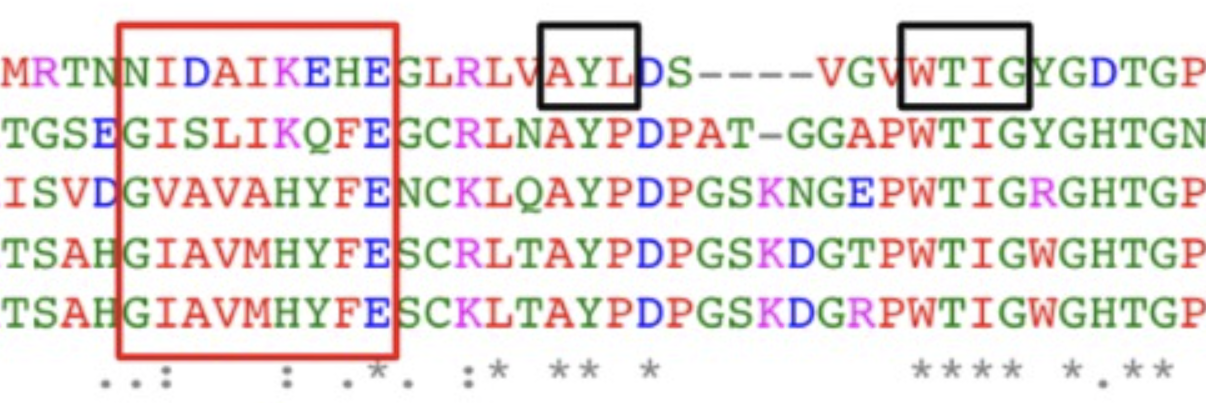
Endolysins are proteins that degrade bacterial cell walls. They are encoded on the genome of bacteriophages (viruses that infect and kill bacteria). At the end of the lytic cycle of a bacteriophage, endolysins cut the peptidoglycan layer of the bacterial cell wall, allowing the release of viral progeny. Pseudomonas aeruginosa is a well-known multidrug-resistant human pathogen that causes serious problems, especially in patients diagnosed with cystic fibrosis (CF). One property of P. aeruginosa is the production of biofilms, which is a defense against antibiotics. Previous research has shown that endolysins from bacteriophages can degrade biofilms. The current study demonstrates that the novel Persinger endolysin exhibits significant biofilm eradication activity against multi-drug resistant P. aeruginosa and possesses distinct structural features that support its potential development as a targeted antimicrobial therapy.

Mackenzie Leonard and Mikayla Evans
Nursing
This scoping review aimed to explore health interventions that address excessive caffeine consumption in college students aged 18–23 years. Excess caffeine intake is associated with a range of health concerns, including neurological, cardiovascular, and behavioral issues, highlighting the need for effective interventions to mitigate its impact on overall wellness. The literature exploring interventions aimed at modifying health behaviors among the college student population is notably limited. Furthermore, there has been a lack of studies replicating interventions aimed at reducing caffeine intake. These gaps suggested the need for further investigation and exploration of reports pertaining to health promotion. The results of the literature review were synthesized based on different client education intervention modes and potential implementation strategies to adjust caffeine use in a healthy direction. Four types of behavioral intervention strategies emerged in the research: health-related courses, counseling from health care providers, stress management, and goal framing techniques.

Examining the Effect of Having a Disability on the College Experience
Grace Dudley
Communication Sciences and Disorders (BA) and Special Education (BS)
Among people 25 or older in the United States, just 21% of individuals with a disability had earned a bachelor's degree or higher, while 38% of individuals without a disability had earned a bachelor's degree or higher. Previous literature has identified a variety of barriers that students with disabilities (SWDs) may face as they pursue postsecondary education. This study examined barriers SWDs face at James Madison University to understand how higher education may be made more accessible. It surveyed SWDs, their professors, and the academic buildings they work in to assess barriers and to identify opportunities for further research and action.
Transforming Military Spectrum Management with SpecTrack
Rachel McCoy (Computer Science), Rafa Gould (Computer Science), and Abby Fornadel (International Affairs)
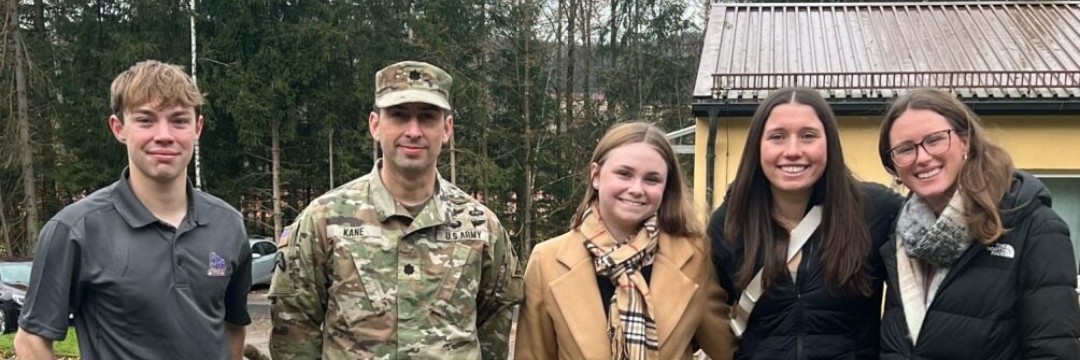
The U.S. military faces operational and financial challenges due to inefficient electromagnetic spectrum management. Our minimum viable product, SpecTrack, centralizes and visualizes spectrum requests, offering insights and streamlining communication, reducing delays and costs. It integrates with current tools like Spectrum XXI and HUNSWDO while enhancing usability through a visual Common Operating Picture (COP). Our user-centered design process included stakeholder interviews and site visits to Germany. The result: a scalable platform that modernizes and simplifies military spectrum allocation, improving readiness and mission success.