This page is currently under construction (October 2026).

Landscape Areas
Current and Recent Projects
Before: 2024
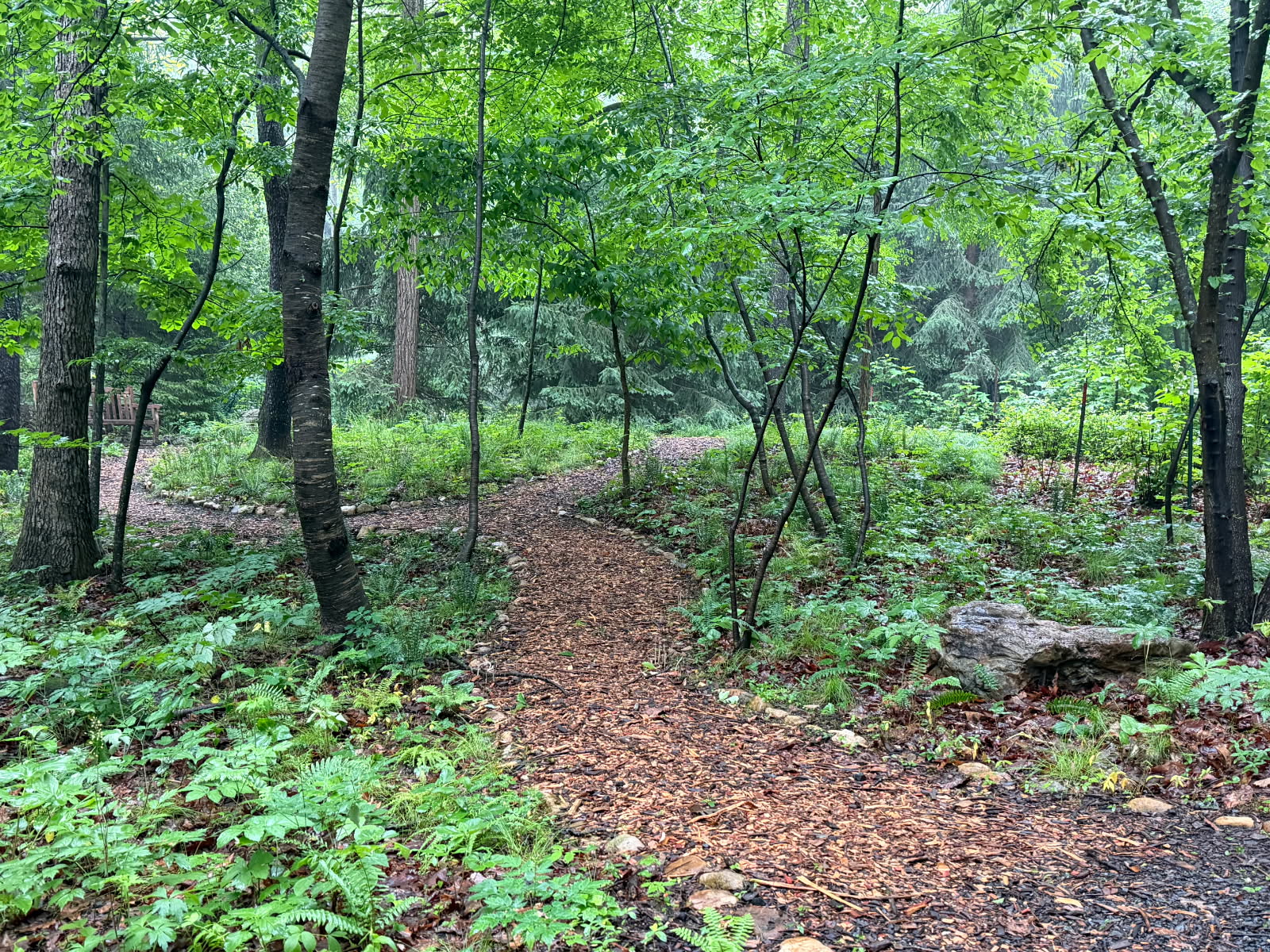
Native Shade Garden - Established 2024
The native shade garden added a new layer to an underplanted section of the forest for the benefit of wildlife and visitors coming and going from the Labyrinth.
Native plants were growing in an area before people were gardening there. While we like almost all plants wherever they’re from, native plants are perfectly adapted for the local ecosystem and provide what the native fauna (animals, large and small) need for food and habitat. Layered plantings create more places for animals and insects to hide, rest, and eat. Increased biodiversity will make this ecosystem healthier and more resilient in the face of pressure in the future. This garden will be full of native plants that are happy in the shade to inspire you to consider expanding the number and kinds of natives at your home or to support their planting elsewhere.
After: Summer 2026
Before: 2024
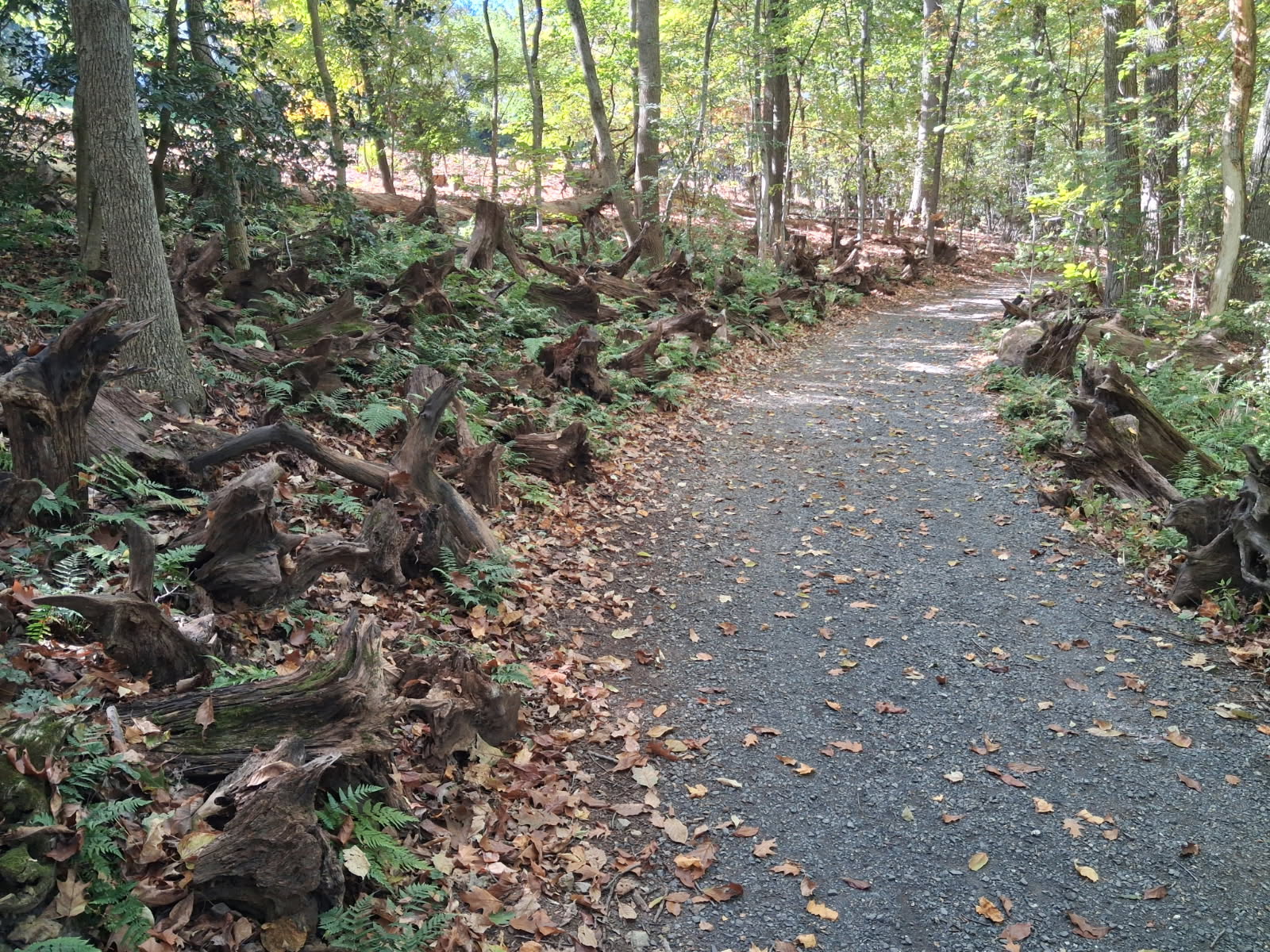
The Stumpery --Established 2024
A stumpery is a type of garden developed in the Victorian era to show off a collection of ferns and encourage visitors to appreciate the amazing forms found in stumps, fallen logs, and root plates. As the natural sculpture decomposes over many years, it will also provide habitat benefits for animals-- dead trees are just as important as live ones. Wonderful stumps & root plates are featured along the upper trail where an abundance of ferns and woodland perennials are planted to grace the trail edge and surround the stumpery: they are natural sculptures that will provide interest for years as they slowly decompose back into the soil beneath them.
After: Fall 2026

Around the main pond and pond patio areas, we have been adding layers of plants to reduce erosion and enhance the existing plantings' resilience!
Bodies of water, large and small, often serve several functions within an ecosystem. Our pond is no different, despite being man-made, it serves as a site for foraging, nesting, shelter, and of course as a reliable source of water for the wildlife of the Arboretum. As the vegetation grew in and plant communities began to develop, the pond's productivity began to reach new heights. The presence of plants in bodies of water improves water quality by consuming carbon dioxide to produce dissolved oxygen for aquatic life and stabilizing sediment to reduce erosion. Adding complexity to the existing plantings will create more layers of habitat for the birds, small mammals, and reptiles. The increased biodiversity will make this space healthier and more resilient in the face of future challenges. We love that so many people enjoy the pond loop and are excited to enhance it with something fascinating, beautiful, and beneficial!
Before: 2023
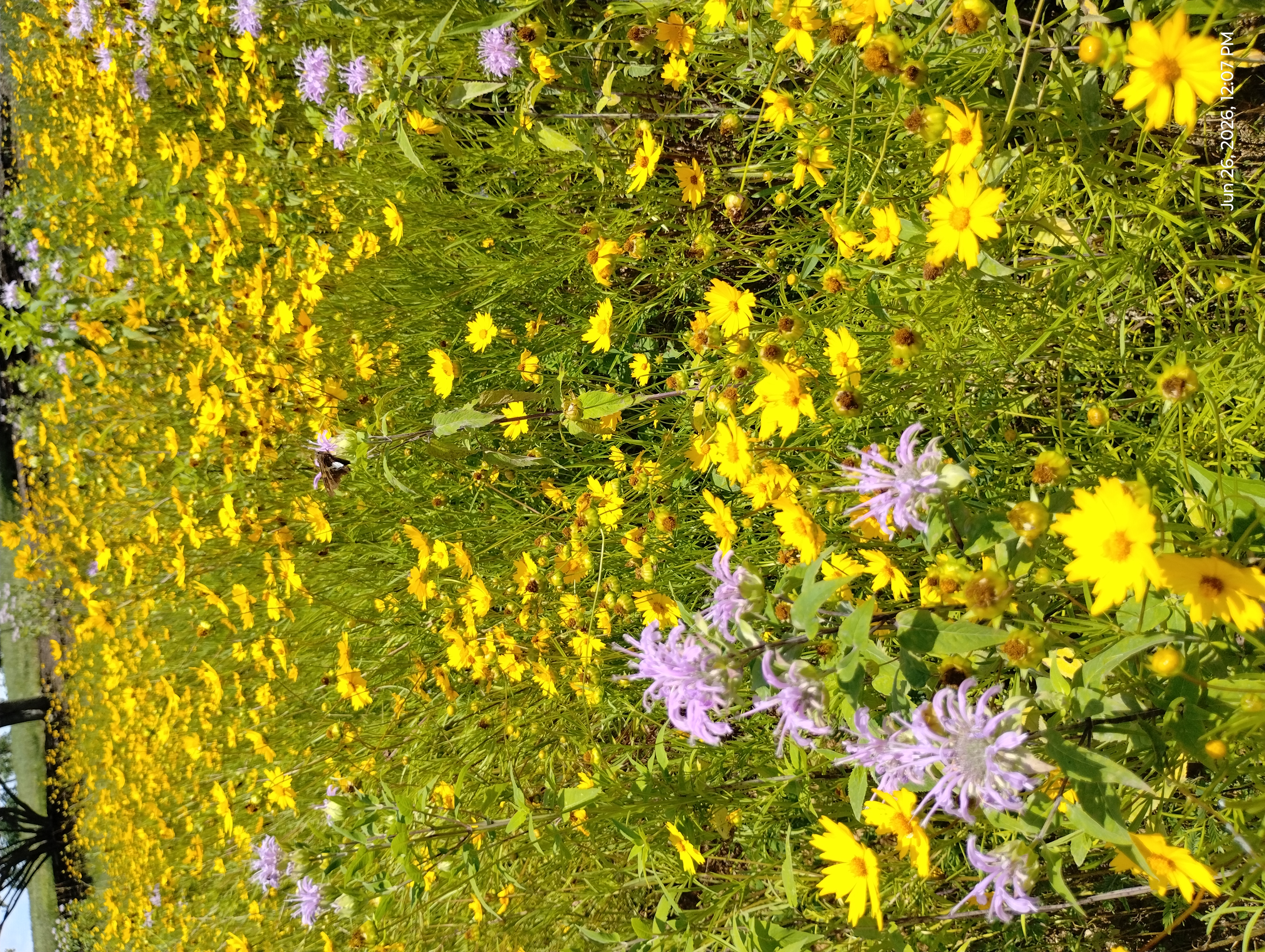
Hillside Wildflower Garden -- Established 2023
By eliminating the existing turf, we have begun the process of establishing our new wildflower garden!
While it’s true that the grass turf will hold the soil down to prevent erosion, its ecosystem benefits don’t extend very far beyond that. The generous blend of mostly native wildflowers planted here will provide nectar for pollinating insects; create more layers of habitat for the birds, small mammals, and reptiles; and change over time as longer-lived but slower-to-grow perennials take their place over the faster-growing ones. The increased biodiversity will make this space healthier and more resilient in the face of future challenges.
After: Summer 2026
Yellow Coreopsis and purple Monarda bloom in the Hillside Meadow. Can you spot the silver-spotted skipper?
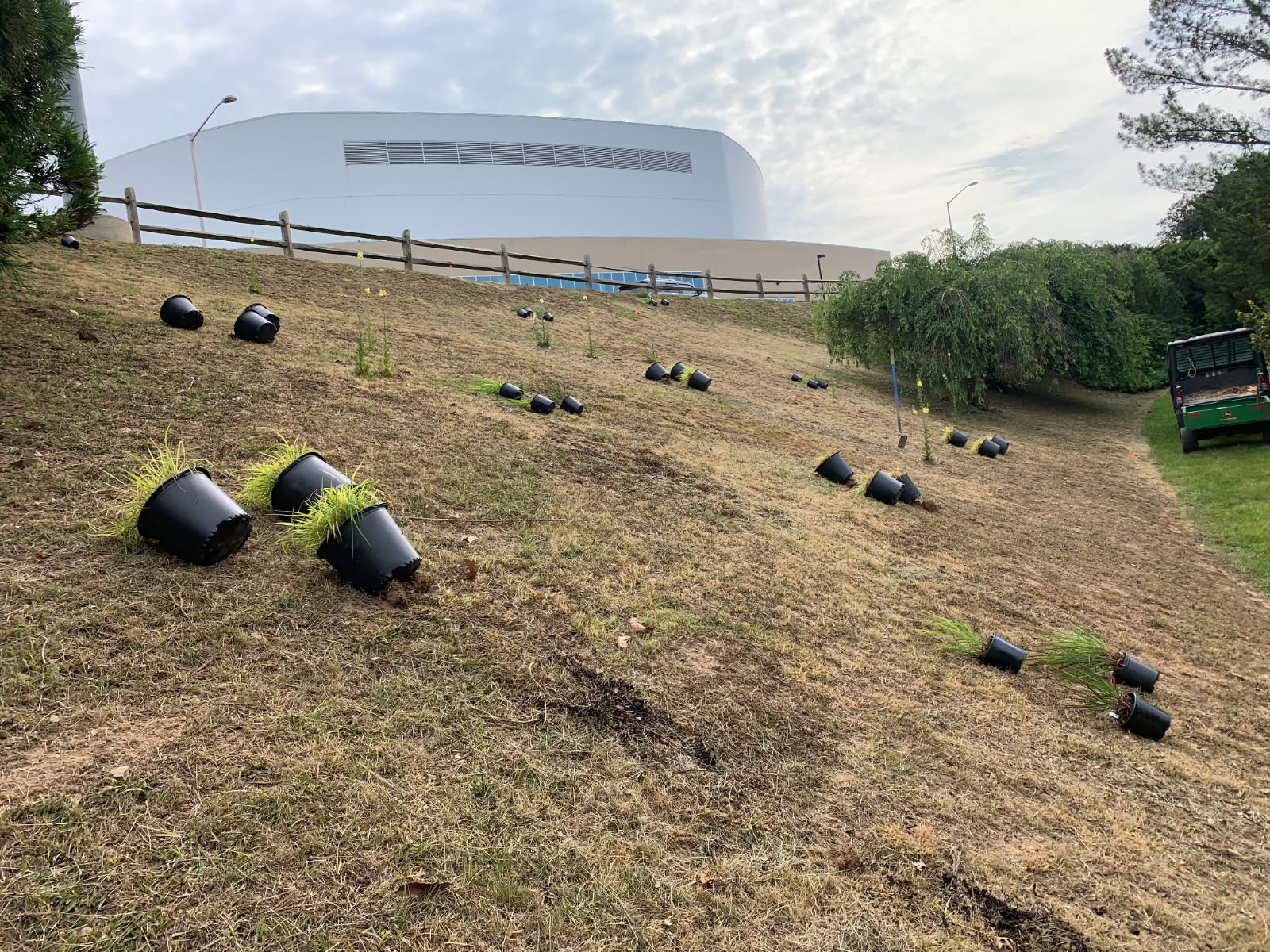
Sinclair Native Meadowscape - Established 2025
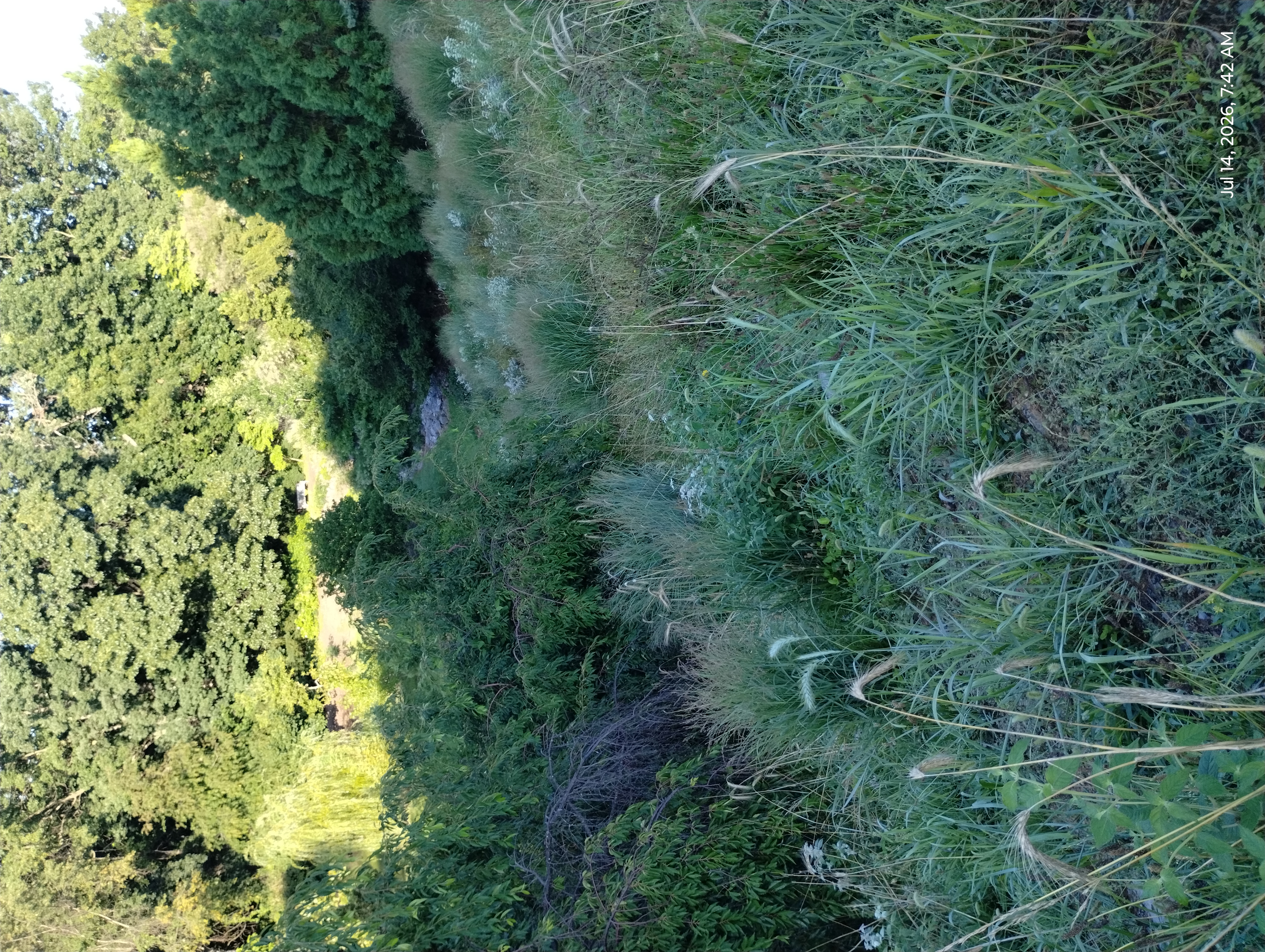
Inspired by the creations of nature, we plan to convert a difficult and steeply sloped area of the Arboretum into a meadow-like terrain filled with mostly native grasses!
We had been having a hard time getting the turf we inherited to grow because it’s so dry on the hill--so we went looking for a better solution. The native grasses and wildflowers planted here, once established, will require less water and maintenance and create food and habitat for pollinating insects; create more layers of habitat for the birds, small mammals, and reptiles; and make for interesting change over time as longer-lived but slower-to-grow perennials take their place over the faster growing ones. The increased biodiversity will also make this space healthier and more resilient in the face of future challenges.
Before: 2025
After: Summer 2026
Ways to Support the Arboretum
There are many ways to give back to the Arboretum!
We encourage you to join and support our efforts through volunteering, becoming an Arboretum member, donating to our General Arboretum Fund.
Grounds: Free to the public
Dawn to dusk | 365 days a year
Frances Plecker Education Center:
M-F | 8 AM - 4 PM