


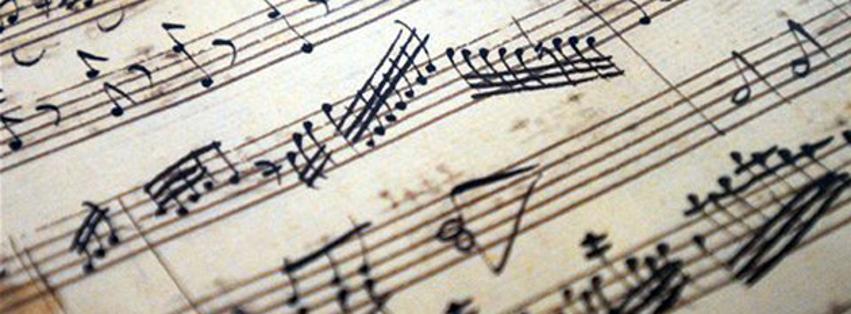
The Musicology and Ethnomusicology faculty teach a wide variety of courses in music history, global music, music appreciation, improvisation, and performance practice. As Musicology is best defined simply as “the study of music,” students in these courses encounter studies of sociological, political, ethnographic, theoretical, philosophical and performative contexts to name a few—in short, anything that helps us better understand a given musical tradition. Music students who complete the four-course Musicology/Ethnomusicology survey and additional topic seminars emerge with a clear understanding of how studying, performing, and understanding music are interdependent.
Click here to see upcoming seminars in musicology & ethnomusicology.
What is Musicology?
Have you heard of J. S. Bach? Have you seen a performance of The Rite of Spring? Have you played the piano music of Clara Schumann? What makes these and most of the other things we do as musicians possible is partly the work of musicologists, who devote their careers to the research, study, and teaching of music in all its manifestations. Some musicologists conduct chemical analyses to date medieval music manuscripts. Others research and write the biographies of composers upon which other musicians rely. Others unearth unknown musical works in library archives around the world and transcribe them into modern musical notation for modern performers to sing or play. Others study the political tensions that gave rise to specific musical traditions. Still others are primarily performers, and examine the intricacies of performing music in a historically-informed manner. What unites these and other musicological activities is a common desire to better understand music and to help others understand it more deeply.
Still have questions? Click here for more details from the American Musicological Society.
Interesting in pursuing further studies in Musicology or Ethnomusicology?
Several recent JMU music graduates have gone on to graduate school and successful careers in these fields. Speak to a Musicology/Ethnomusicology faculty member for advice on coursework and other preparations. The earlier you begin the process the better. See the following helpful links:
Graduate Programs in Musicology (from the American Musicological Society)
Guide to Programs in Ethnomusicology (from the Society for Ethnomusicology)
Upcoming Seminars in Musicology & Ethnomusicology
Below you will see the current and upcoming topics for the MUS 480 and MUS 750 seminars.
MUS 480: Advanced Seminar in Musicological Topics
FALL 2026: Improvisation in World Cultures; Instructor: Andrew Connell
An examination of musical improvisation within various global traditions, including (but not limited to) jazz, Indian ragas, Arabic maqam, Brazilian embolada, Baroque performance practice, the blues, and aleatoric music. In addition to readings and discussions on select musical cultures, students will create and participate in a variety of improvisational games and compositions.
SPRING 2027: Asia on Stage & Screen: From The Mikado to RRR; Instructor: Jingyi Zhang
What can a nineteenth-century British operetta about a fictional Japan teach us about a twenty-first-century Indian blockbuster that took the world by storm? More than you might think. Both are products of their time, and each reveals something about how Asia has been imagined, staged, and consumed by global audiencees. One represents the height of Western fantasy, a world of exotic spectacle designed for imperial consumption. The other is a defiant act of self-representation, a spectacle that reclaims history on its own terms. This seminar traces that arc by examining how the "Orient" was constructed across opera, operetta, Broadway, and Hollywood, before turning to works that challenge and complicate that legacy. We will explore how composers and filmakers from Puccini and Gilbert and Sullivan to Rodgers and Hammerstein shaped enduring images of Asian exoticism, alongside Hollywood and British films like The Thief of Bagdad and The Good Earth. We will then consider how contemporary artists have offered a different vision, from Chinese model operas and the operas of Chinese American composers like Bright Sheng, Tan Dun, and Zhou Long, to Hong Kong filmmakers like Wong Kar-wai and the creators of RRR, all reimagining Asia on their own terms.
FALL 2027: Topic TBA; Instructor: Pedro Aponte
SPRING 2028: Through the Lens of Popular Music; Instructor: Gibson
We will explore a wide variety of concepts, perspectives, and approaches to music in this seminar, but our starting point for each of these explorations will be popular music. Adopting a case study approach, and drawing on current scholarship of popular music, we will focus on musical examples from rock, hip-hop, jazz, electronic music, musical theatre, country music, heavy metal, bluegrass, and more as a means of considering critical questions about music.
Notes about MUS 480:
- MUS 480 Seminars are open to all music majors. Consult the JMU Undergraduate Catalog and the School of Music Undergraduate Studies Handbook for the requirements of your degree track and concentration.
- Address any questions to Professors Aponte, Connell, Gibson, or Zhang.
- Feel free to contact relevant faculty members with suggestions for seminar topics you would like to see offered.
- We will make every effort to adhere to what appears above, but topics may occasionally change.
MUS 750: Graduate Seminar in Musicology/Ethnomusicology
FALL 2026: 20th Century Art Music in Latin America; Instructor: Pedro Aponte
This seminar will deal with Latin American Art Music in the twentieth century. The focus will be on music and musical life in the context of politics, national formation, and modernization. Case studies will be drawn from Mexico, Brazil, Argentina, Cuba, and Venezuela.
SPRING 2027: Through the Lens of Popular Music; Instructor: Jon Gibson
We will explore a wide variety of concepts, perspectives, and approaches to music in this seminar, but our starting point for each of these explorations will be popular music. Adopting a case study approach, and drawing on current scholarship of popular music, we will focus on musical examples from rock, hip-hop, jazz, electronic music, musical theatre, country music, heavy metal, bluegrass, and more as a means of considering critical questions about music.
FALL 2027: Improvisation in World Cultures; Instructor: Andrew Connell
An examination of musical improvisation within various global traditions, including (but not limited to) jazz, Indian ragas, Arabic maqam, Brazilian embolada, Baroque performance practice, the blues, and aleatoric music. In addition to readings and discussions on select musical cultures, students will create and participate in a variety of improvisational games and compositions.
SPRING 2028: Global Opera; Instructor: Jingyi Zhang
This seminar reimagines opera as a global phenomenon, moving beyond its European origins to explore dynamic transformations across the Americas, Asia, and Australasia. Students will engage with a diverse repertoire—from grand opera and operetta to film adaptations, experimental stagings, and contemporary cross-cultural works—while examining how the art form intersects with cultural identity, political discourse, and technological innovation. Drawing on musicology, media studies, postcolonial theory, alongside practitioner perspectives, the course investigates opera as a site of global exchange and creative reinvention. Featuring guest visitors, field trips to JMU Opera Theatre, and curated screenings, the seminar invites students to critically and creatively explore opera's past, present, and future.
Notes about MUS 750:
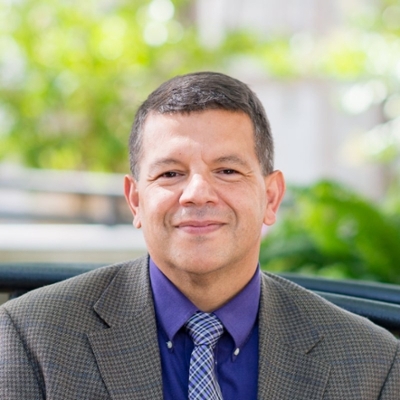
Pedro Aponte
Associate Professor, Musicology Area Coordinator
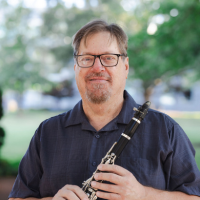
Andrew Connell
Professor
Jonathan Gibson
Professor

Jingyi Zhang
Assistant Professor

Katherine Axtell
Instructor


