Middle School Workshop
Have you ever wondered why foods like pineapple or kiwi can leave your mouth feeling tingly—or how scientists can see things that are clear? Come explore the fascinating world of polarized light and discover how it can reveal hidden structures in nature. By combining physics and biology, this experience helps students uncover how light behaves and how scientists use those properties to reveal the invisible.


Faculty Developer: Dr. Kristopher Kubow, Biology
What students do:
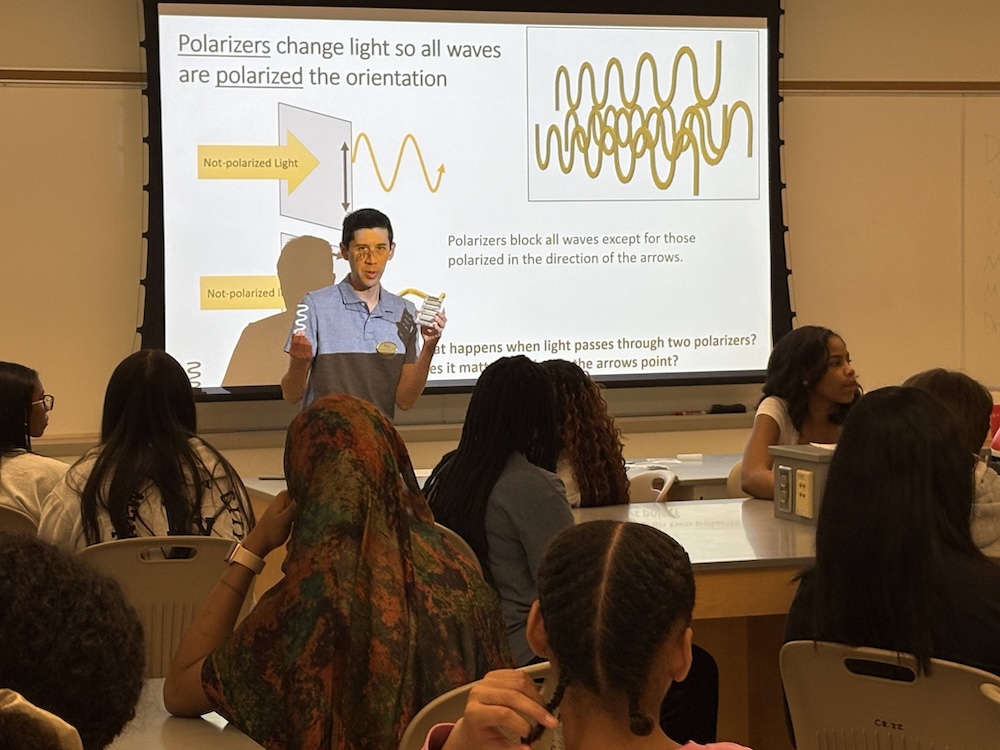
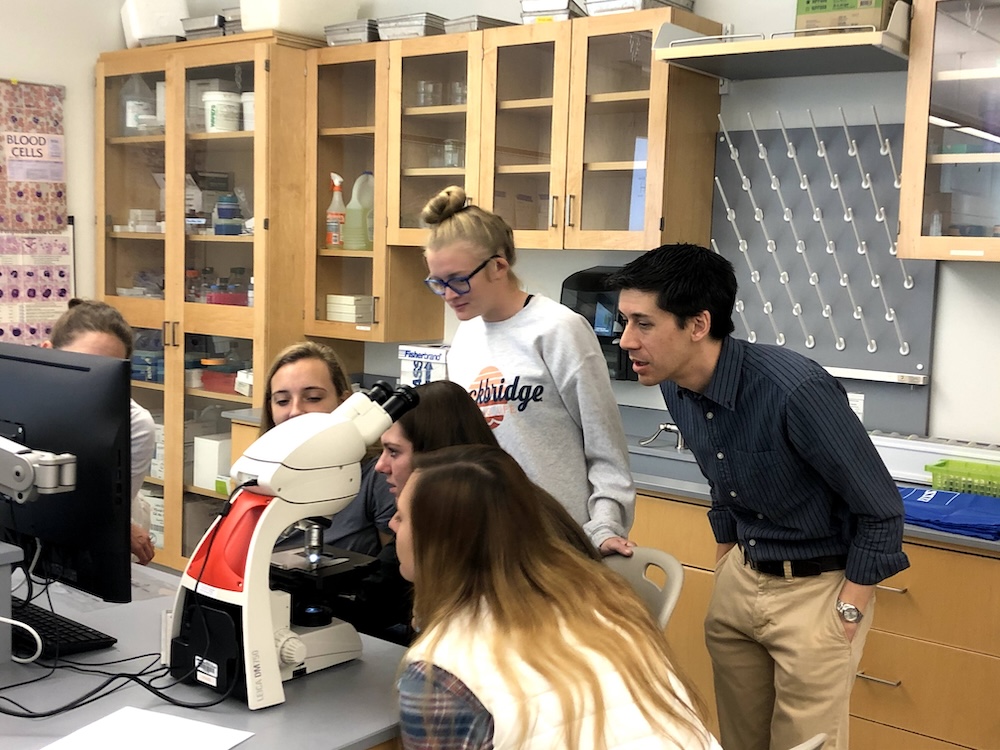
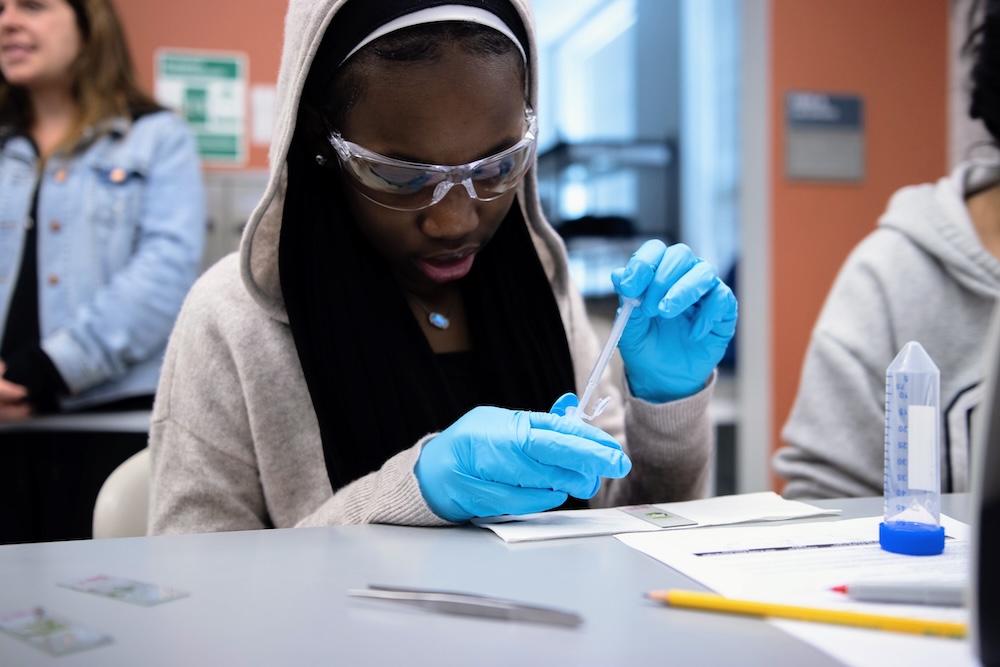
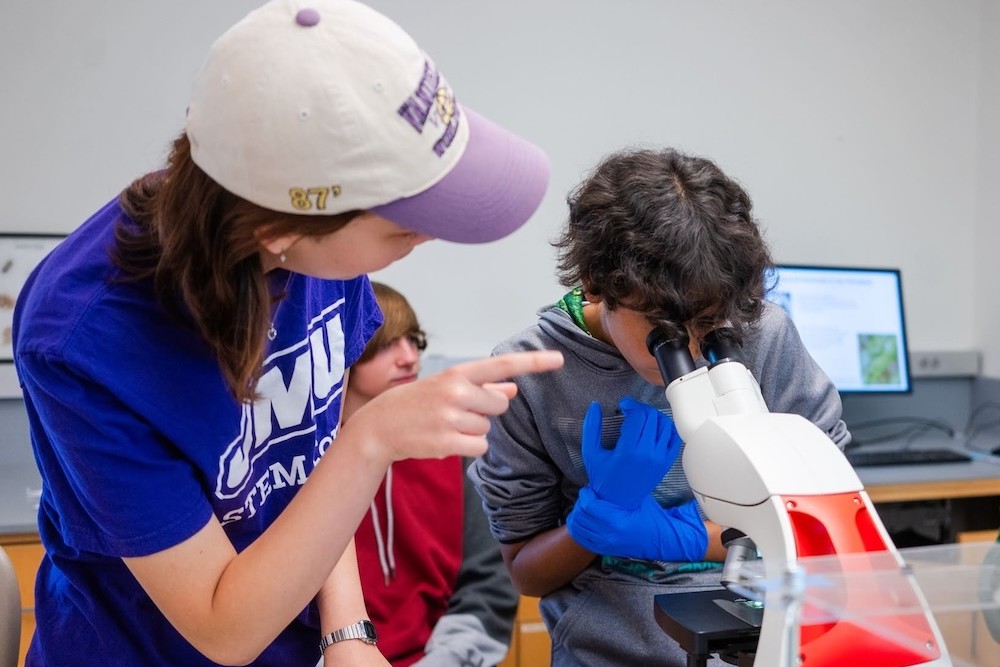
Students begin by exploring the basic properties of light, using physical models and polarizing filters to understand how light waves can be oriented and manipulated. They make predictions and observe how light behaves when passing through one or more polarizers. Students then investigate how certain materials unpolarized light and how they can use this to make otherwise invisible objects visible. Finally, they will modify microscopes with polarizers to observe plant structures called raphides in samples like pineapple or kiwi.
What students learn:
- How light behaves as a wave and how it can be polarized.
- How materials can change light in ways beyond color and reflection.
- How to use polarizers to test predictions and investigate light behavior.
- How scientists use polarized light to observe difficult-to-see microscopic structures.
- The role of raphides in plant defense.
- How understanding physics and biology connection aids in real-world scientific investigation.