SPCE’s project-management program becomes an Authorized Training Partner
New certification helps Dukes enhance their professional skills and marketability
Featured Stories


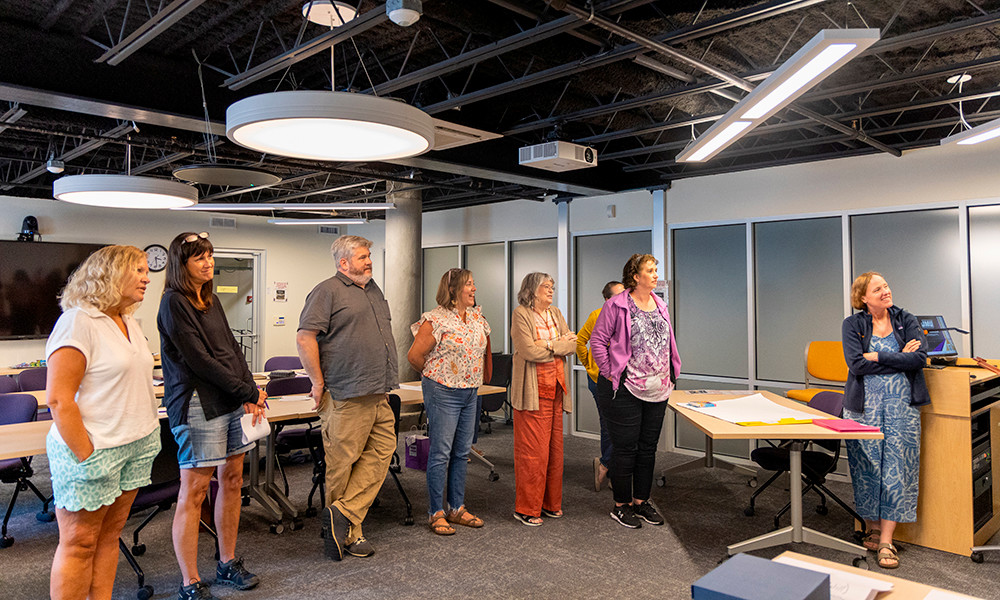
SUMMARY: The program, offered through the School of Professional and Continuing Education, provides the requisite 35 hours of education to sit for the PMP exam.
JMU has become a Project Management Institute Authorized Training Partner. While the School of Professional and Continuing Education has offered a Project Management Professional test prep course for many years, as of September the “program and processes have been identified as rigorous enough to meet PMI’s standards,” explained Amanda Kellogg, SPCE’s director of professional development.
Madison’s project-management program has evolved throughout the years with the objective of becoming a designated partner. For Kellogg, achieving that status had been “a goal that I had since I started in January of 2024,” she said. “It has been at least two years that we’ve been working toward this designation. We believe it’s worth it for the success of the students in the program.”
Haley Iden (’21), program manager for the Office of Professional Development and Engagement in the College of Business, is currently working toward completing the required hours. She says the skills she’s learned so far have helped her become more equipped for the future. “My experience in the program helped me apply real-world work experience and translate that to the profession of project management. The program gave me the tools and knowledge to be prepared when I am able to take it.”
Kellogg says becoming a designated partner holds many benefits for those pursuing project-management certification from PMI, which she describes as “the governing body that identifies if people are able to label themselves project-management professionals or not.” To reach that credential, a person must take the PMP exam, which requires a prerequisite of 35 hours of education. “The class that we’re offering gives them their 35 hours … and is really focused on helping them succeed on that exam,” Kellogg said.
“Having the PMP designation is really valuable for a lot of careers in healthcare, manufacturing and business because they want people who have demonstrated that they have the leadership necessary to make a project go forward successfully,” she said. The PMP designation can also lead to career advancements, including a raise or promotion.
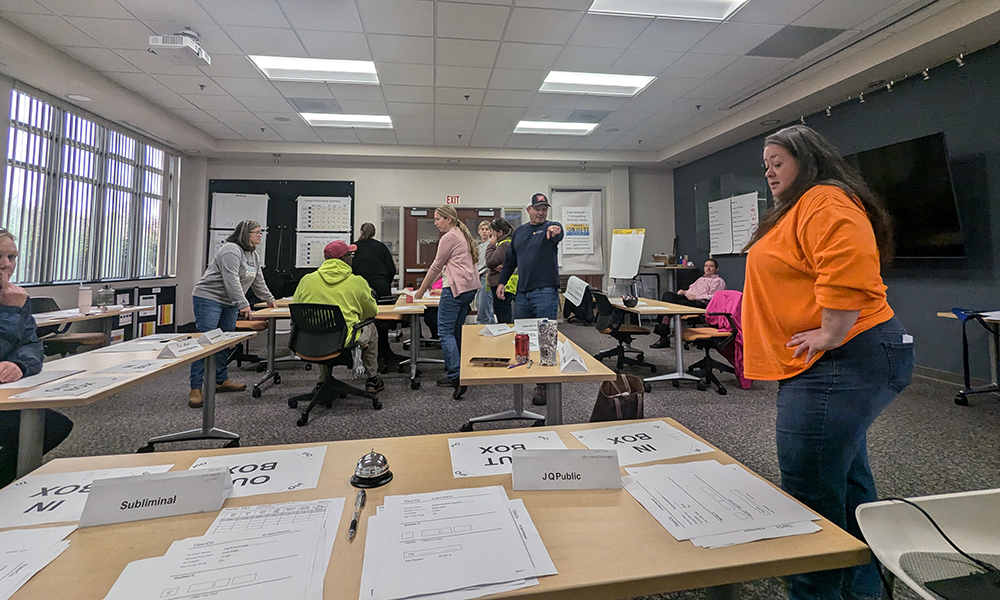
Kellogg says the class transitioned from a hybrid model, in which students completed the hours online with an instructor, to applied, in-person work with a PMP expert. “We doubled the number of hours that people are spending with our instructors,” she said. While the 35 hours are rigorous, she said, it’s “meaningful work that we do to try to connect to their own experiences.”
“I think, most beneficially, the extra hours have made it possible for our instructors to spend more time on student examples, so students can bring project-management scenarios from their own work to the class, and there’s more time to talk through them to apply those lessons in the class,” Kellogg said.
The program benefits the instructors as much as it does the students.
Channing Frazier says his experience as an instructor is “defined by the students in the class and their invigorating search to steward their projects at the highest levels.” For Frazier, one of the most rewarding aspects is “participating in leading students to these best approaches for implementing positive and sustainable change.” He also notes that the course serves as a path for students, which “opens up doors for new opportunities, confidence in leading projects and the potential for increases in pay.”
“There’s nothing more gratifying than hearing that students are putting what they’ve learned in the program to work and that it has positively changed their environments,” Frazier said.
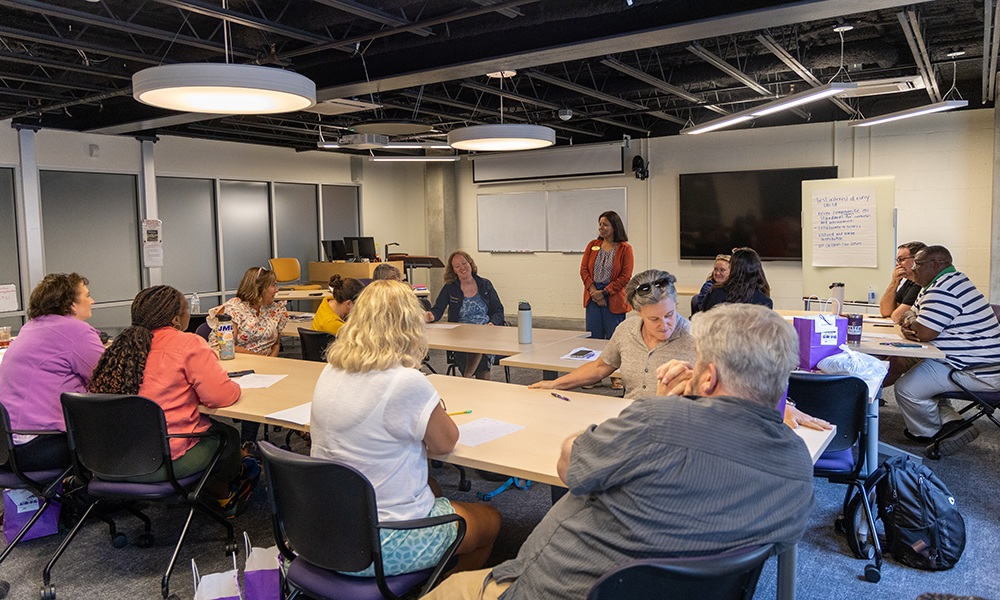
Kellogg stresses that project management is “for everyone.” Even individuals who aren’t interested in sitting for the exam learn skills that “can be so helpful just in making your work more organized and streamlined.” The coursework includes Foundations of Project Management, hands-on involvement with local businesses and attending retreats that emphasize project-management principles.
“We’ve taught project management to teachers and information-technology professionals and salespeople, and all of them can find really useful information in there that makes them better at organizing and talking to each other,” Kellogg said.
SPCE’s program and certification ultimately emphasize “that effective project management involves clear communication,” Kellogg said. “You have to be talking to people. You have to be explaining why, and not just when and how.”
Project management is inherently collaborative, with the training providing a toolkit to become an attentive, strong manager who listens to others. “None of us does a project-management experience on our own,” she said.