

JMU Arboretum receives Chesapeake Bay Trust grant to advance expansion
The expansion will grow the Arboretum from 63 to more than 110 acres
JMU News


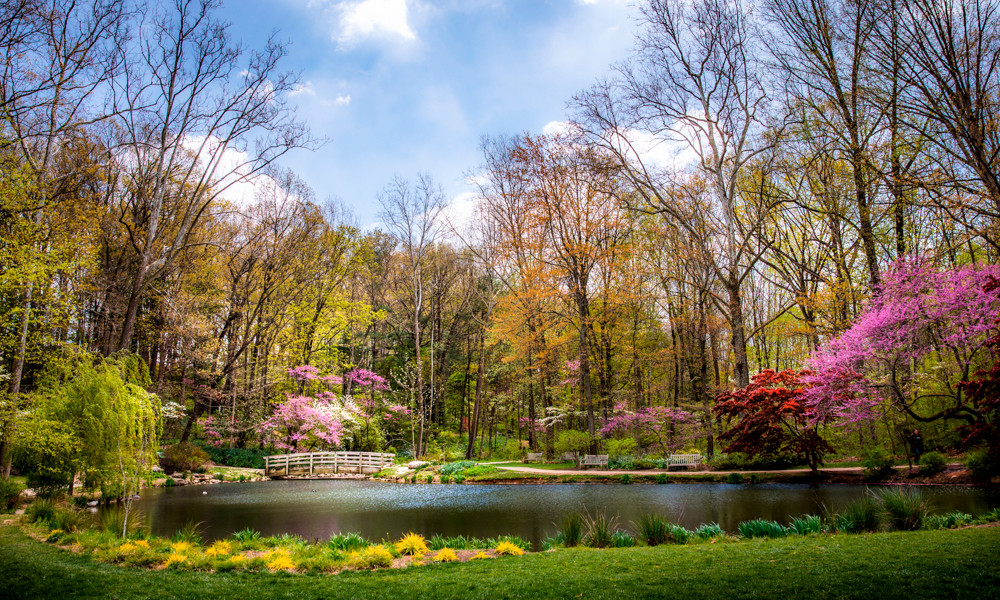
James Madison University’s Edith J. Carrier Arboretum has received a $163,410 Storm Smart Chesapeake grant from the Chesapeake Bay Trust to support reforestation, habitat restoration and watershed education tied to its ongoing expansion from 63 to more than 110 acres on JMU’s East Campus.
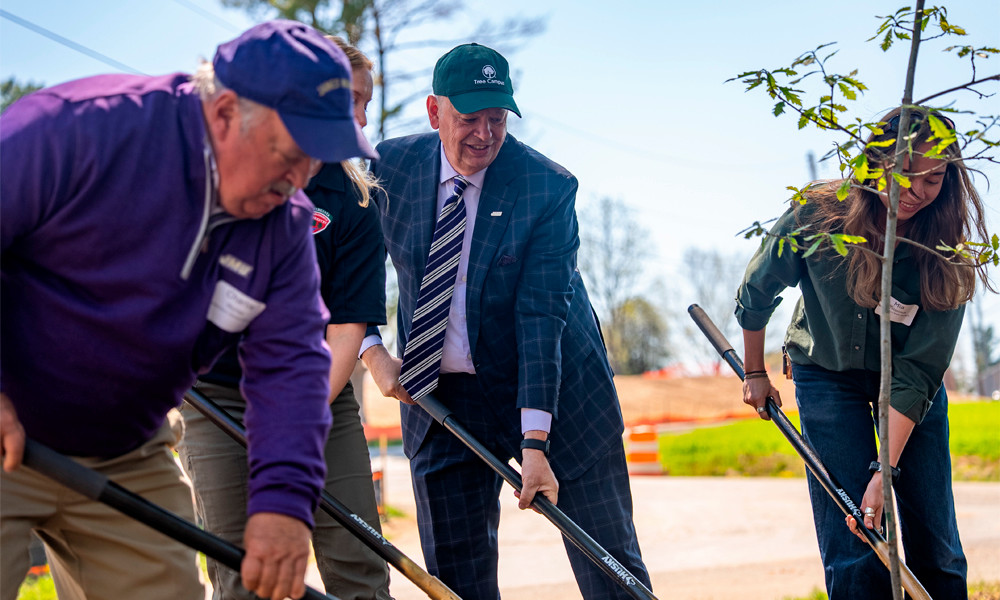
The grant will fund the planting of approximately 1,500 native trees and several hundred native shrubs beginning in fall 2026, helping establish a restoration effort that improves water quality, enhances biodiversity, and expands hands-on learning opportunities for students.
While the increase in acreage is significant, university leaders emphasize the project's broader vision.
“This expansion is not simply about adding land,” said Arboretum Director Katie Rankin. “It’s about reimagining how a university landscape can support learning, wellness, sustainability, research, and community engagement, all in one place.”
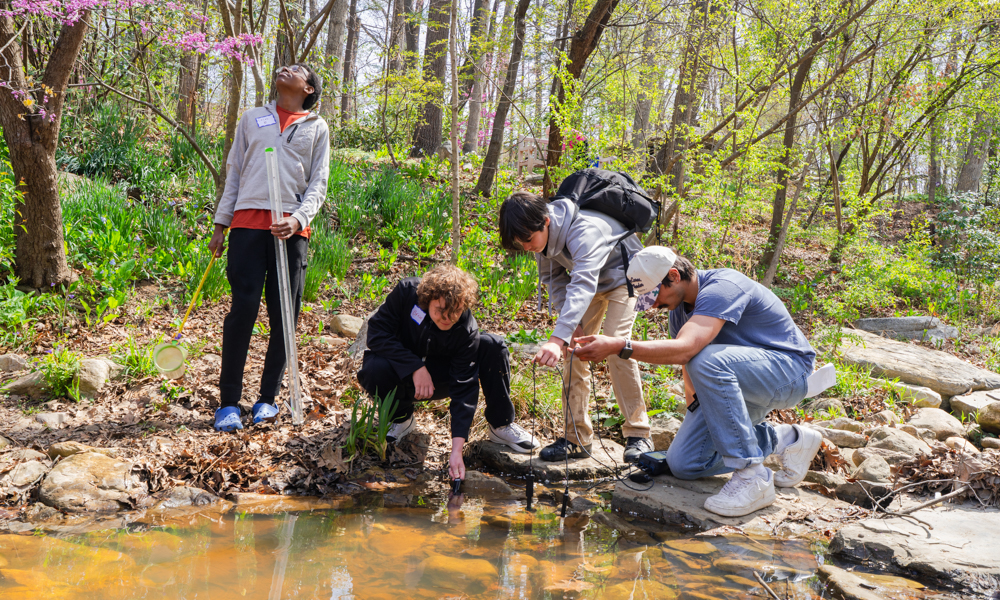
The Arboretum now reflects a timely convergence of institutional priorities, including the Madison Promise, faculty, staff and student well-being, experiential learning, sustainability, and community engagement. Already serving more than 1,800 students and 20,000 visitors annually, it functions as a living laboratory where students engage in research, restoration and career-connected learning.
Rankin said the project will also deliver many environmental benefits, including reduced nutrient runoff to the Chesapeake Bay watershed, improved stormwater management, and enhanced wildlife habitat. Over time, nearly 1,500 new trees could intercept more than 1.5 million gallons of rainfall annually.
Positioned along University Boulevard and visible from I‑81, the expanded Arboretum will serve as a gateway to campus and a defining expression of JMU’s values.
Designed as a long-term investment, the effort will unfold over time, creating opportunities for students, alumni and community members to participate in shaping a landscape that will benefit future generations.
“This is a place where people don’t just come to learn about the world,” said Rankin. “They help improve it.”
Editor’s Note: This project has been funded wholly or in part by the United States Environmental Protection Agency Region III under assistance agreement 4I - 953A0190 - 0 and Chesapeake Bay Program Office under assistance agreement 4I - 95309901 – 2 to Chesapeake Bay Trust. The contents of this document do not necessarily reflect the views and policies of the Environmental Protection Agency, nor does the Environmental Protection Agency endorse trade names or recommend the use of commercial products mentioned in this document, as well as any images, video, text, or other content created by generative artificial intelligence tools, nor does any such content necessarily reflect the views and policies of the Environmental Protection Agency.


