


Depth Soundings | Feb. 2–Mar.7, 2026
Co-curators: Beth Hinderliter and Seth McCormick
Opening reception: February 2, 2026, 5:00–7:30 pm, Artist Roundtable Conversation: 5:30–6:30 pm

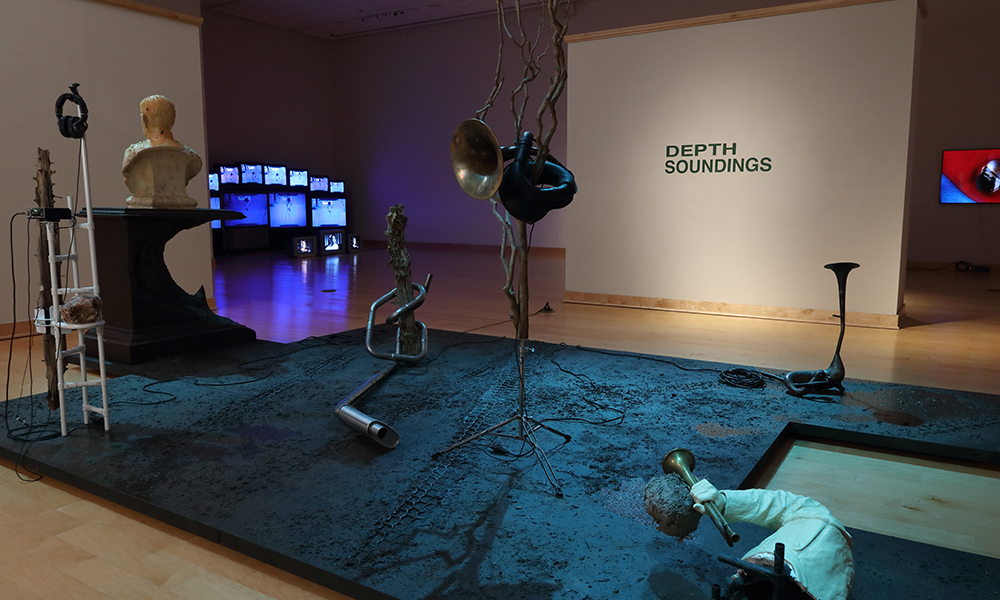
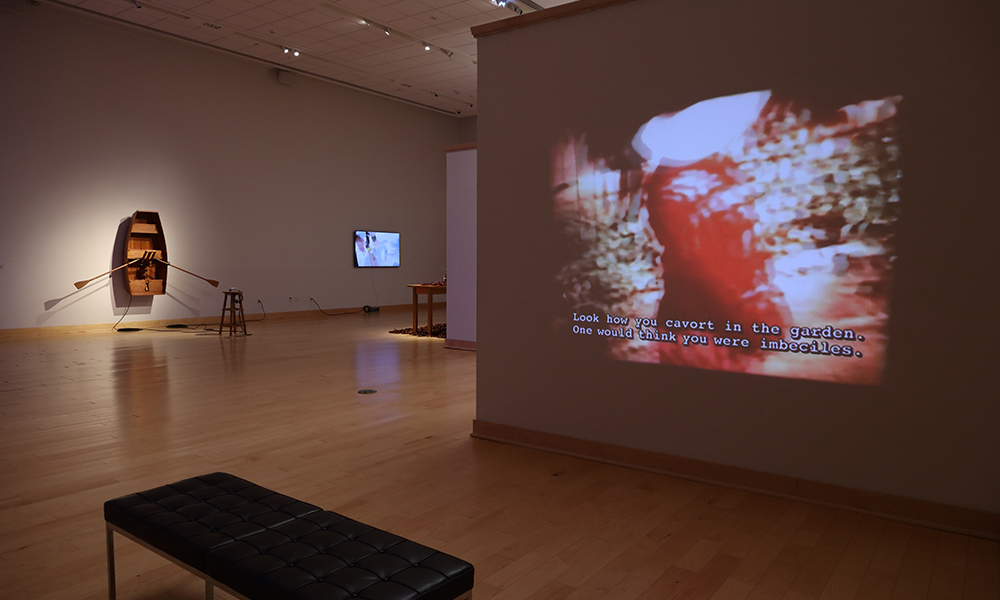
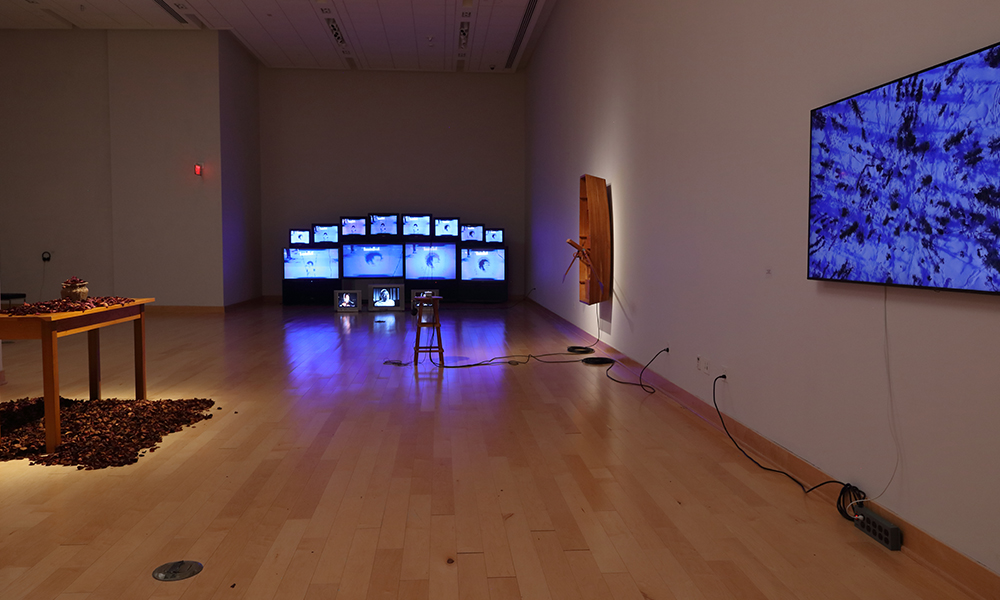
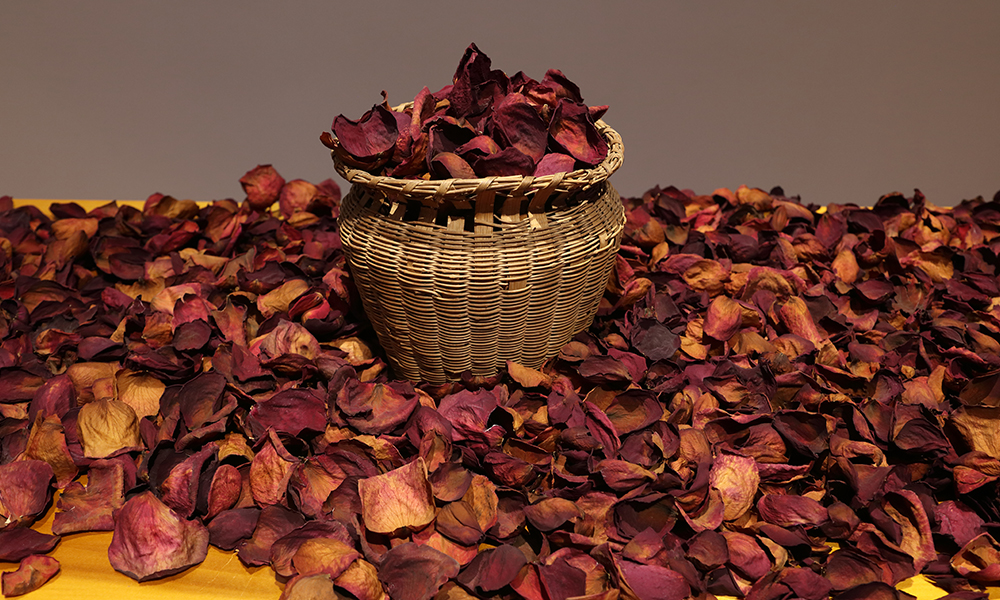
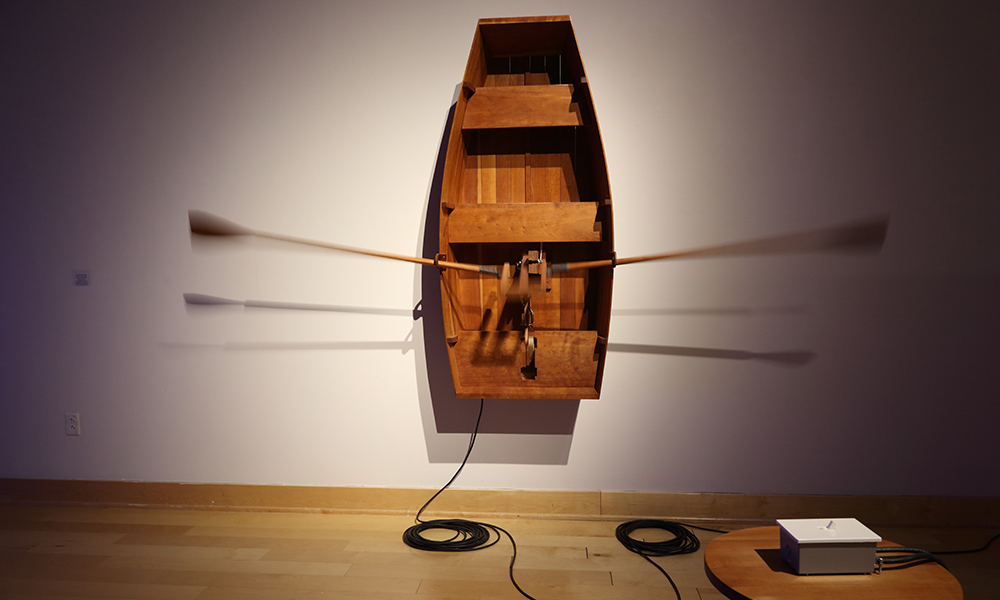
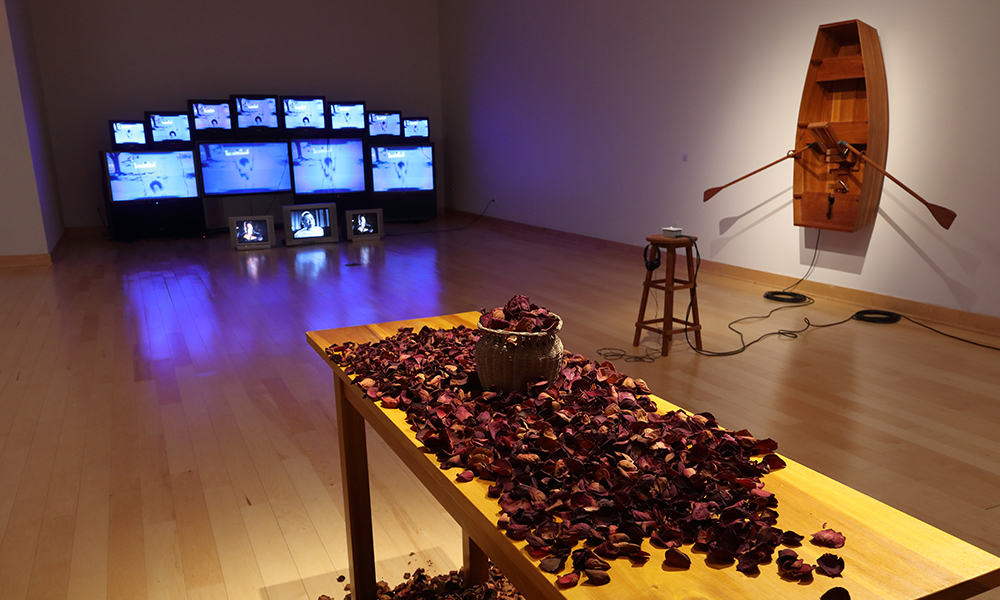
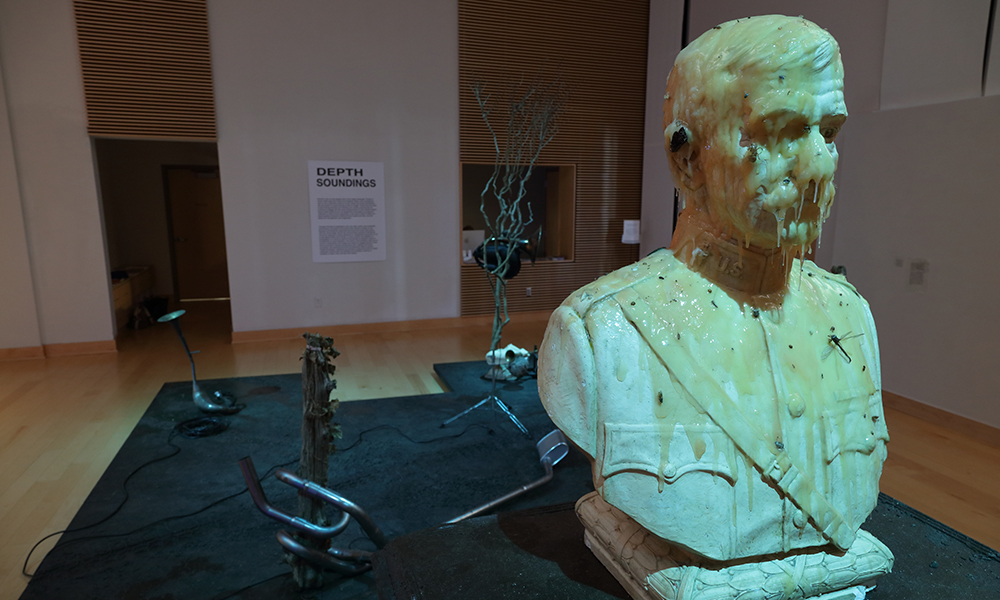
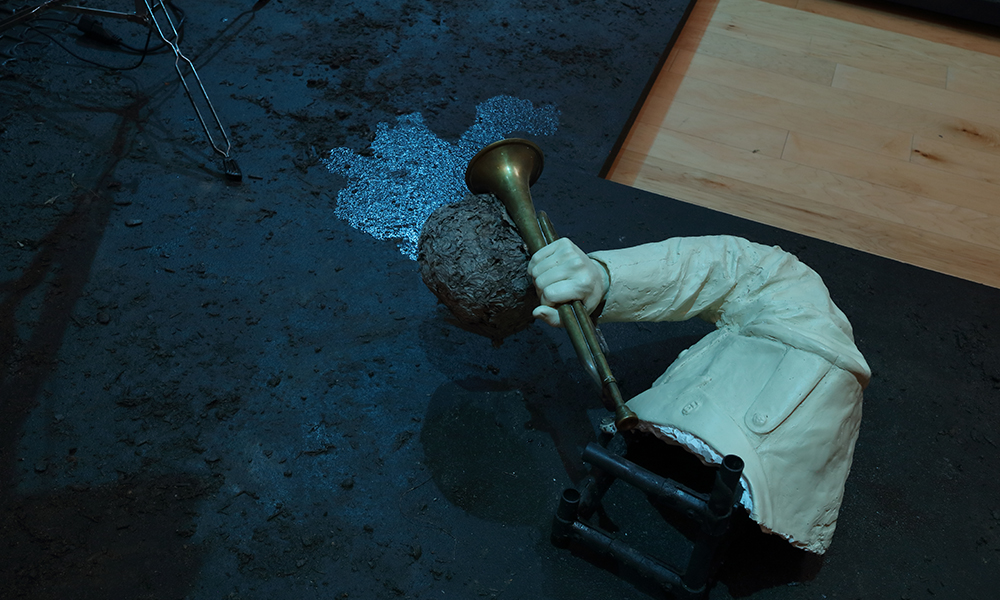
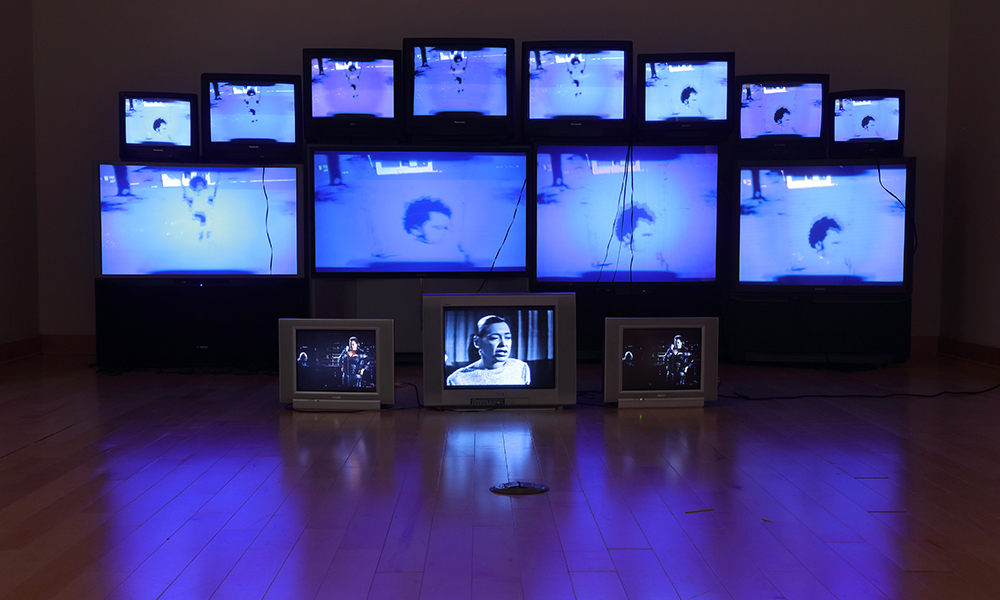
Depth Soundings in Duke Hall Gallery of Fine Art: The Impact of Sound in Art
On Monday, the new exhibit at the Duke Hall Gallery of Fine Art at JMU, Depth Soundings, had its opening reception, and it will remain open until March 7. The exhibit is a collection of work by nine professional artists with a common link: audio-visual experience.
“Sound art is having a moment, but this exhibition is the first to investigate the relationship between sound and emotion in contemporary installation and performance art,” Dr. Seth McCormick, Western Carolina University Associate Professor and co-curator of the exhibit, said in an email. “We did not want it to be an exhibition of ‘sound art’ in a strict or narrow sense: all the works featured in the exhibition are meant to be seen as well as heard.”
Upon entering, a variety of sounds play from different directions. Headphones are stationed at some art installations for patrons to use. Duke Hall Gallery features two exhibits each semester, as well as events and artist roundtable conversations. Depth Soundings is the first exhibit installed this spring.
“Our exhibit showcases how there are very innate, even precognitive, ways in which sound impacts your emotions,” said Dr. Beth Hinderliter, Director of the Duke Hall Gallery of Fine Art, Associate Professor of Art History, and co-curator of the exhibit.
McCormick and Hinderliter attended graduate school together at Columbia University. They collaborated on multiple projects since then, including co-editing an essay collection together titled Communities of Sense (Duke University Press, 2009).
“Beth was interested in putting together an exhibition of sound-based work. We focused on works that activate an affective or emotional response, as this is one of my academic interests,” McCormick said.
The gallery has an educational mission, and Hinderliter said a primary focus when considering artists for exhibitions is looking for contemporary work that’s exciting and experimental. She highlighted that Depth Soundings focuses on many different archives of sound and the importance of silence to make that sound stand out.
“[The exhibit] really forces you to confront ideas,” Rubén Graciani, Dean of the College of Visual and Performing Arts, said. “I think the value of art is in helping us hold a mirror to ourselves as a society and a culture, but also, if you’re open to it, to learning and feeling and seeing in new ways.”
Hinderliter and McCormick emphasized social media’s ability to allow all people to become creators with platforms. However, unlike social media, art gives time for reflection on the content people consume.
“Most museums that I’ve been to usually have one music element or some sound or visual happening, but with this one, you have to pick and choose what you want to listen to or what you feel drawn to,” said Sydney Vaknin, sophomore arts studio major and Duke Hall Gallery intern.
The exhibit also focuses on art’s ability to be an agent of change. Graciani said it reminds him of the “shared human experience.” “Art is like learning a new language,” Graciani said. “When you listen to certain music, it could be music in another language or music from another culture, but art has a way to connect and make you feel or see or understand something even if it’s coming from a place you don’t know or understand.”
Hinderliter reaches out to many artists when curating an exhibit. She often asks for a specific piece that she’s interested in, and sometimes artists might adapt their work to fit the space or suggest other pieces to display in the gallery. She’s most excited when she can commission a piece specifically for a new exhibit.
“The first thing [I notice] is definitely the lighting. This is a dim atmosphere, but I really like that. It lets you sit with the audio you’re hearing,” RJ Gatling, junior architecture major and Duke Hall Gallery intern, said.
In the School of Art, Design, and Art History (SADAH), a gallery committee coordinates the gallery programming in relation to curriculum and other university needs. Interns help manage the planning, the installation, and the dismantling of every gallery exhibit.
“What I think is really interesting is the degrees in which people – especially young artists, emerging artists and even established artists – are thinking of ways of using their platform to build a bridge across difference and to highlight and pinpoint things that they don’t think are okay in the world,” Graciani said. “To me, that’s something that’s so critically needed.”
McCormick and Hinderliter hope that all JMU community members, not only those in SADAH, are able to experience these exhibits.
“Sure, you could make art and put it in your basement, but sharing something creative is a way to help us all be challenged or inspired,” Hinderliter said. “If we didn’t have art in our lives, how boring would that be?”
Abby Camp, JMU SMAD Major
Duke Hall Gallery of Fine Art
James Madison University
820 S. Main St. Harrisonburg, VA 22807
Hours - Academic Year Only
Tuesday-Saturday 11 am-5 pm
Phone / (540) 568-6918
Email / dukehallgallery@jmu.edu
During gallery events, parking is available at Mason Street Deck on JMU’s campus.
Duke Hall Gallery of Fine Art is an active contemporary art space that elevates the historical understanding of art while fostering new experimental and theoretical directions in art. It is a space where many communities come together to focus on crafting better possible futures. Art breaks barriers, and the Duke Hall Gallery is a nexus for contemporary creativity, discussion, and change.
Room 820 South Main Street
Harrisonburg, Virginia 22807
Closed until September 3, 2025
During Academic Year: Tues - Sat, 11am - 5pm


