




About the Student Success Center
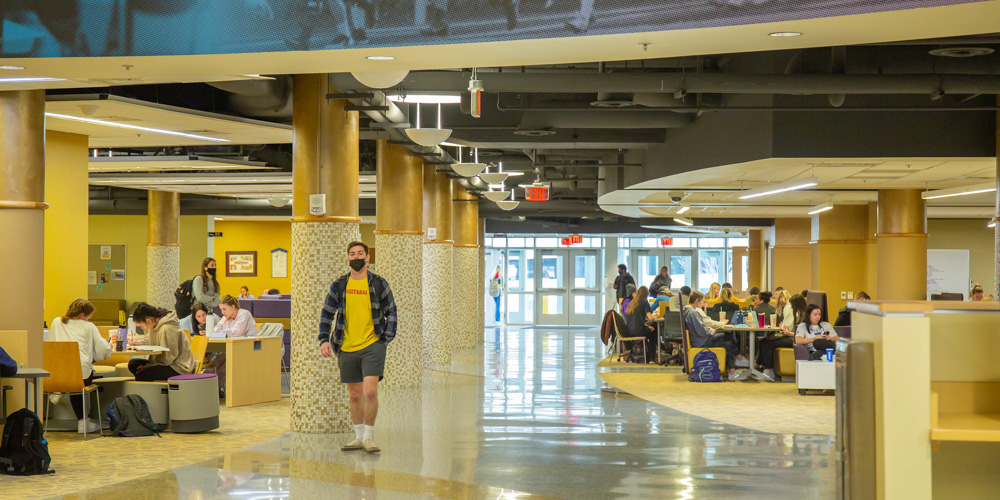
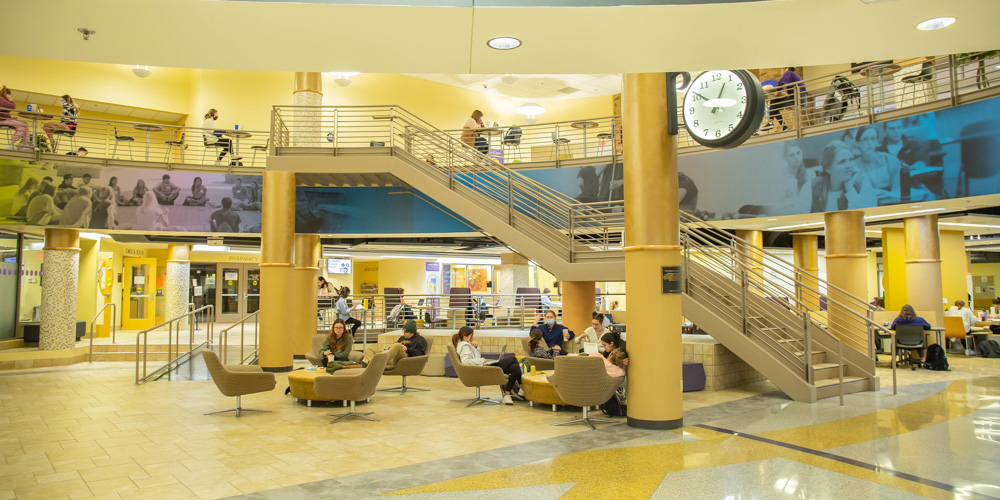
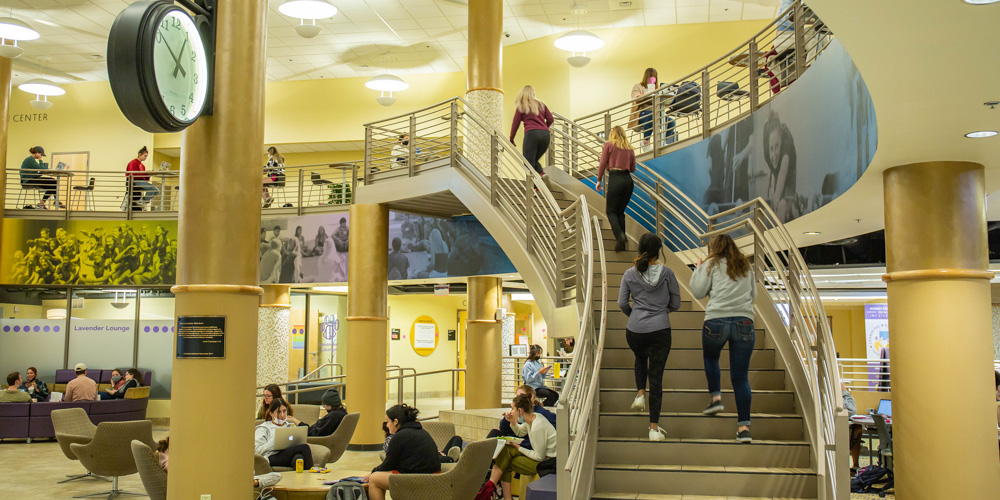
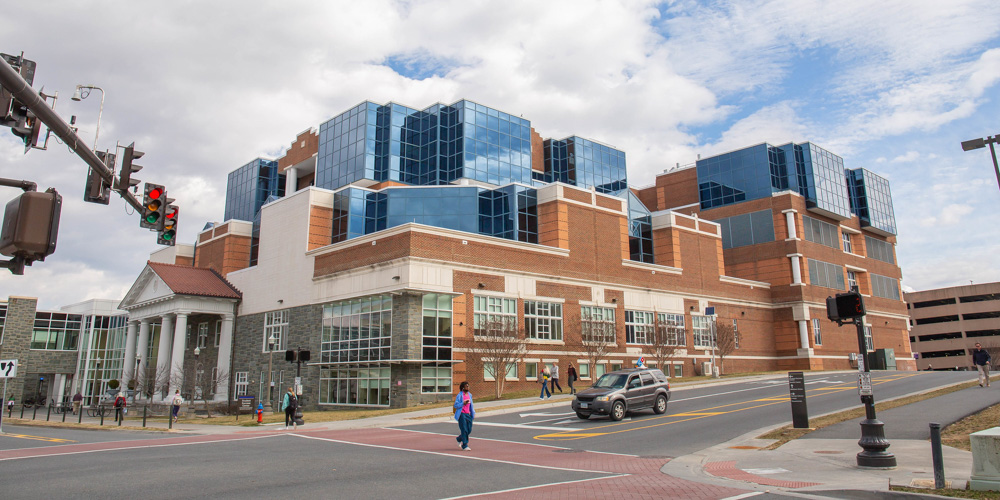
The Student Success Center at James Madison University provides a collaborative, high-impact environment to support student learning, student health, and student services. The center is a hub of programs and services helping students become more efficient, effective, and engaged learners with space to study, collaborate, and learn. The programs, services, and resources housed in the Student Success Center provide advice and assistance for a variety of financial, curricular, technical, physical and mental health, and employment concerns for students.
Quick Building Facts & Features
The Student Success Center:
- Is over 250,000 square feet with 5 floors of departments and services.
- Contains nearly 300 faculty and staff offices with additional workspaces for undergraduate and graduate student employees.
- Holds 25 university functions specifically collected to help students make the most of each visit
- Has 2 meeting spaces with flexible seating arrangements.
- Has 2 study rooms for students to reserve for 2 hours at a time.
- Features 2 dining options including Dunkin' Donuts and Bistro 1908, a small food court that serves a variety of food options.
- Houses a large student commons area fostering individual study and group collaboration.
- Includes an outdoor plaza with green space and a dining patio.