


Planetarium News
Thanks to everyone who came out to the Star Party on Thursday, May 7th. Our Spring semester star parties have concluded but keep an eye here for updates on possible summer star parties and solar observing events.
JCWP will follow JMU's guidance on closing and delays. If your group is impacted, please contact us to reschedule. If the weather is impacting your ability to make a show time, we will happily reschedule for you. Let us know.
The John C. Wells Planetarium will be OPEN for free Saturday Shows all year round! We will continue with the normal schedule of hosting two Family Shows at 11:00 am and 1:00 pm, and two Feature Shows at 2:15 pm and 3:30 pm. Bring the family and friends to enjoy a movie and star talk! The public is cordially invited.
Science Sunday for Girls is on for the 2025-2026 school year! The program runs on the first Sunday of each month. Science Sunday for Girls is always open to all and the public is cordially invited.
The John C. Wells Planetarium will be taking reservations for visits by school and community groups on weekday mornings for the 2025-2026 school year starting August 1, 2025. Please use the Reservations link to start setting up a trip to the Planetarium!
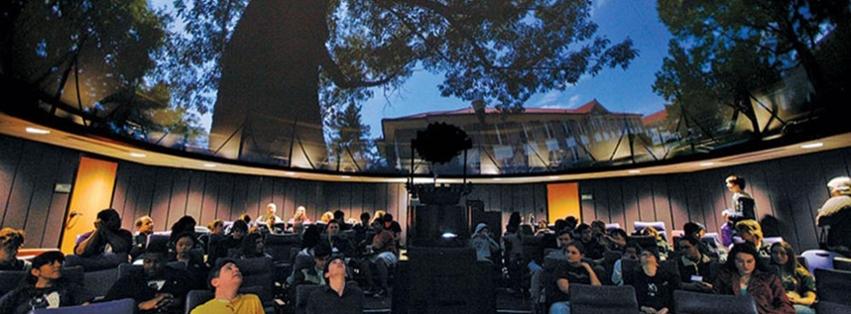
The John C. Wells Planetarium at James Madison University is a state-of-the-art hybrid facility which offers free Saturday public shows from early September through May (except during JMU Breaks), and is also available for use during the week by school groups and community groups by reservation.

Follow us on social media!

