

Internships help WRTC students take the next step
News


SUMMARY: Every WRTC students completes an internship before graduating, supported by their program so they can explore any path they're interested in.
CAL sets students up for future career success by incorporating professional development opportunities throughout our programs. With that support, many students complete internships to explore different career paths related to their major.
The Writing, Rhetoric and Technical Communication (WRTC) major requires students to complete an internship prior to graduating, so they offer resources to help their students find the internship that’s the right fit for them.
To WRTC internship coordinator Jen Almjeld, the search itself is transformative for students. “It’s great working with students as they are applying for internships, and then they land one, and I see them go from feeling nervous to seeing themselves as folks with tons of skills and expertise to take with them into the world.”
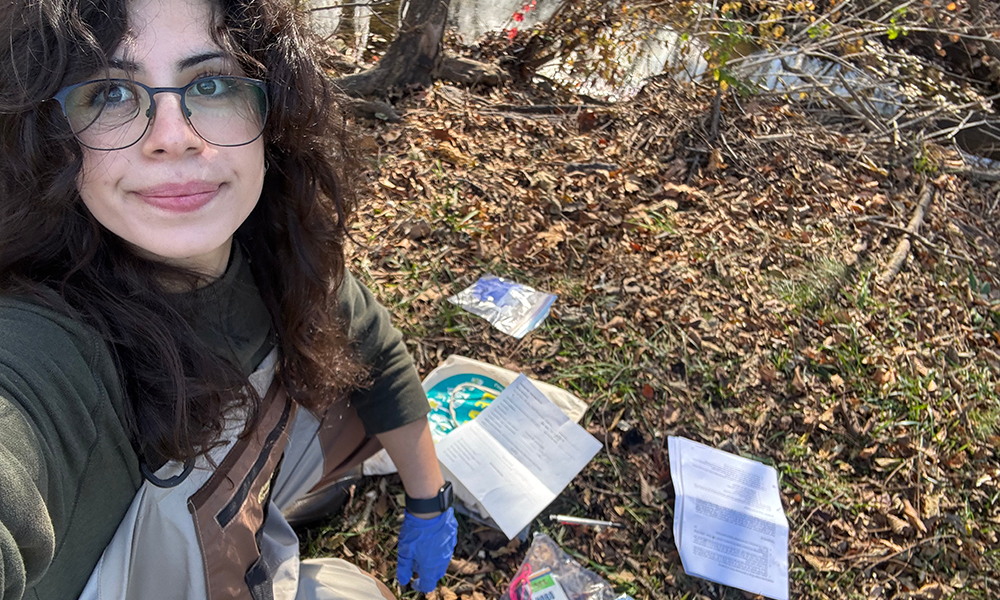
Students find internships across many industries from news analysis to podcasting to law firm clerkships. “Any career field could have relevant internships depending on your own interests and priorities. Start by looking within your own goals and existing networks,” advises Freddie Tavakoli (‘27), who interned with JMU’s Stormwater Management department, curating outreach for their Bee and Tree Campus program.
Students often start their internship expecting to focus on one specific path and instead find themselves exploring and expanding their skills. “The good thing about an internship is you’re not stuck in that position. It can be a good experience for whatever you might end up doing, and it can help show whether or not you actually want to do that specific job,” said Alexis Locke (‘27), who completed her internship with Trill Magazine as a culture writer.
WRTC has built-in mechanisms to help students unpack the internship experience. Alongside the 140-hour internship, students write biweekly reflections, visit the Career Center, and complete a final report. Together, these elements “offer both a support system for interns as well as a mechanism for reflection,” says Almjeld. “It’s not often that we take the time to really slow down and reflect while we are working.”
“They’re not only a learning experience,” she continues, “but also often a really powerful space of growth and increased confidence.” For many students, internships are the first step towards their future careers.


