

America. Made in Virginia.
VA250 highlights the commonwealth’s leading role in the American Revolution
Nation and World


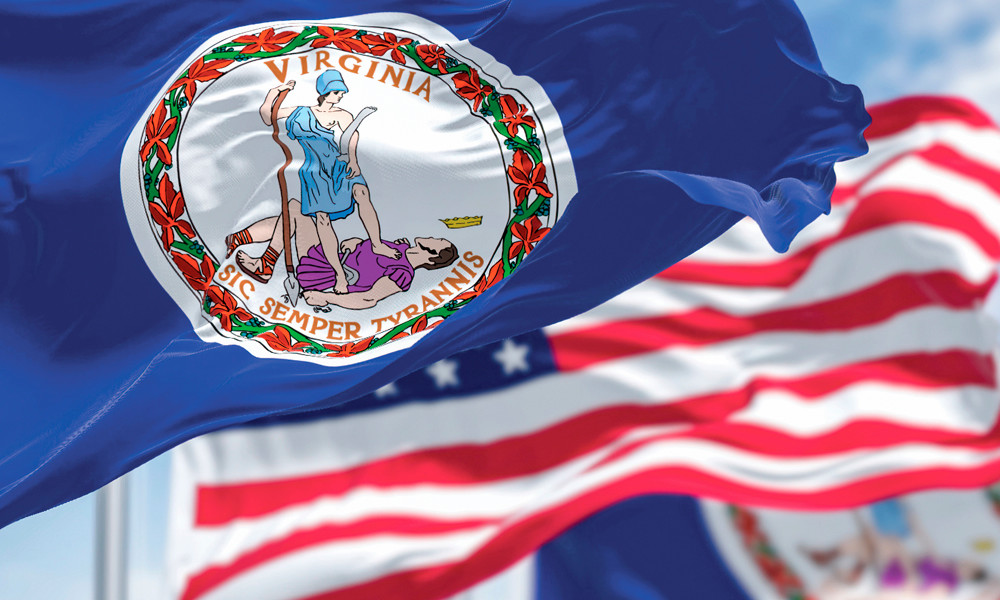
SUMMARY: Organizers of America’s 250th anniversary celebration in the commonwealth believe Virginia offers the ideal place to uncover the American story.
Hear more episodes and subscribe to the podcast at the Being the Change podcast page.
From its revolutionary ideals to its leading figures, Virginia played a pivotal role in the founding of our nation.
That’s the premise behind VA250, a statewide civic-education initiative established by the Virginia General Assembly in 2020 to commemorate the 250th anniversary of the United States in the Commonwealth of Virginia.
“Simply stated, there is no America without Virginia,” said Carly Fiorina, honorary chair of VA250 and member of the JMU Board of Visitors. “The first colonists arrived here. The first encounters with Native Americans occurred here. The first slave ships arrived here. The first representative government and the first experiment with entrepreneurship. The British surrendered here. … And of course, every founding document that matters — the Declaration of Independence, the Constitution, the Bill of Rights — was written by a Virginian.”
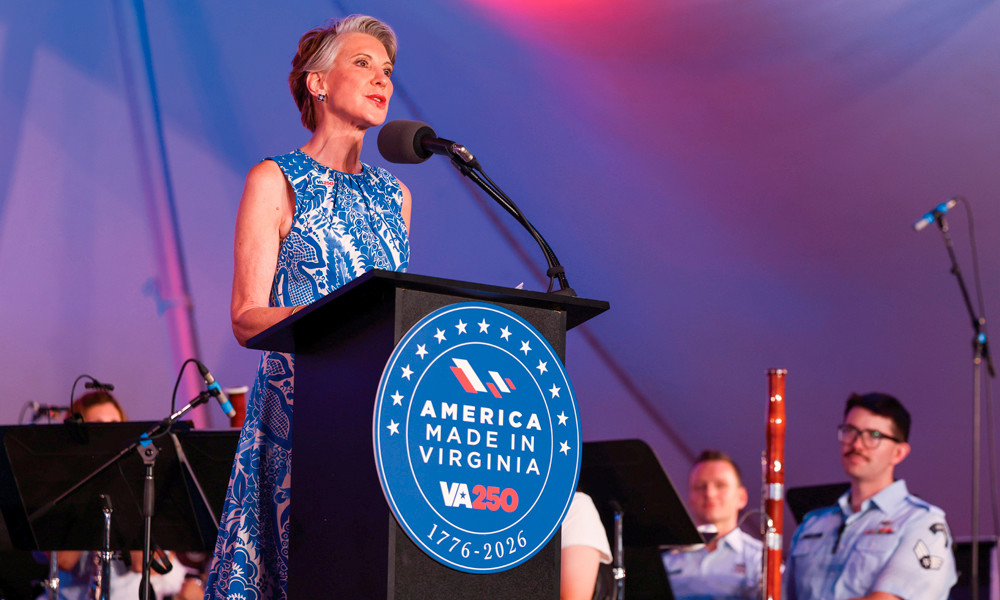
JMU Board of Visitors member Carly Fiorina serves as the national honorary chair of the VA250 Commission. She works to ensure that the nation’s founding is broadly understood and accurately portrayed. — Photo by Aileen Devlin for VA250 Commission
Fiorina, a former business executive, politician and chair of the board of trustees of the Colonial Williamsburg Foundation, volunteered to lead the VA250 Commission at the request of the governor and the legislature. VA250’s goals are to educate Americans about their shared history, engage with various communities to tell a complete story and inspire people to recommit to the values inherent in citizenship.
Fiorina believes it’s important for Americans to know their story and the principles upon which the nation was formed. “We are the only country in human history not founded on ethnicity or territory or religion or tribe, but solely on ideas, ideals, and a system of government,” she said. “When we don’t know what those are, we don’t know who we are or where we’re going. And then our differences drive us apart.”
The phrase “all men are created equal” in the Declaration of Independence was a powerful and “utterly radical” idea in the late 18th century, Fiorina said. Despite it originally applying only to white male property owners — to the exclusion of women, Native Americans and enslaved people — “somehow it managed to unify enough people … to win a revolution against the most powerful empire in history at that time, against all odds,” she said. And the phrase, which goes on to identify “life, liberty and the pursuit of happiness” as “unalienable rights” endowed by a creator, has since inspired “every movement toward human dignity, sovereignty and equality” around the world, she said.
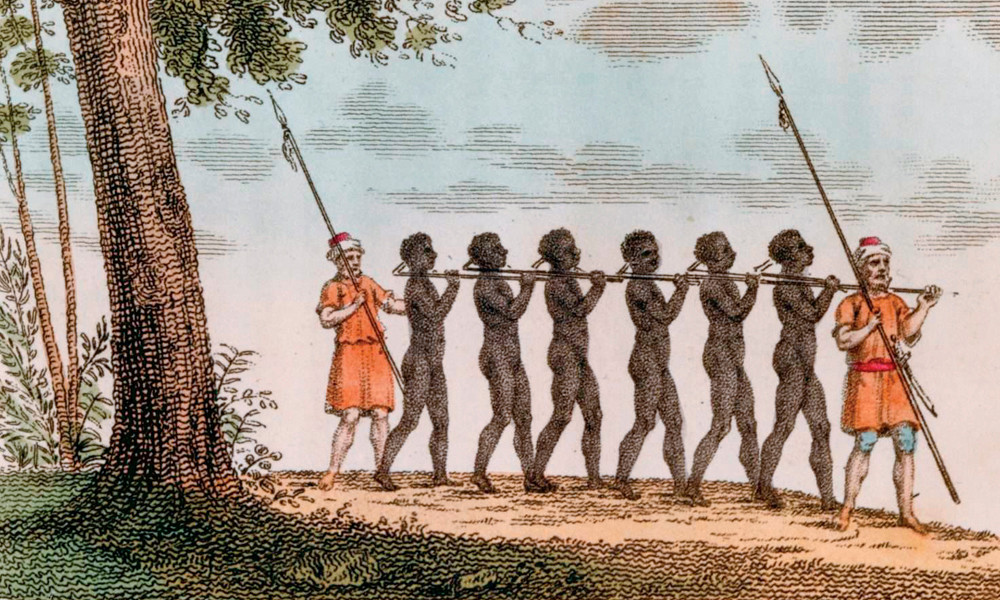
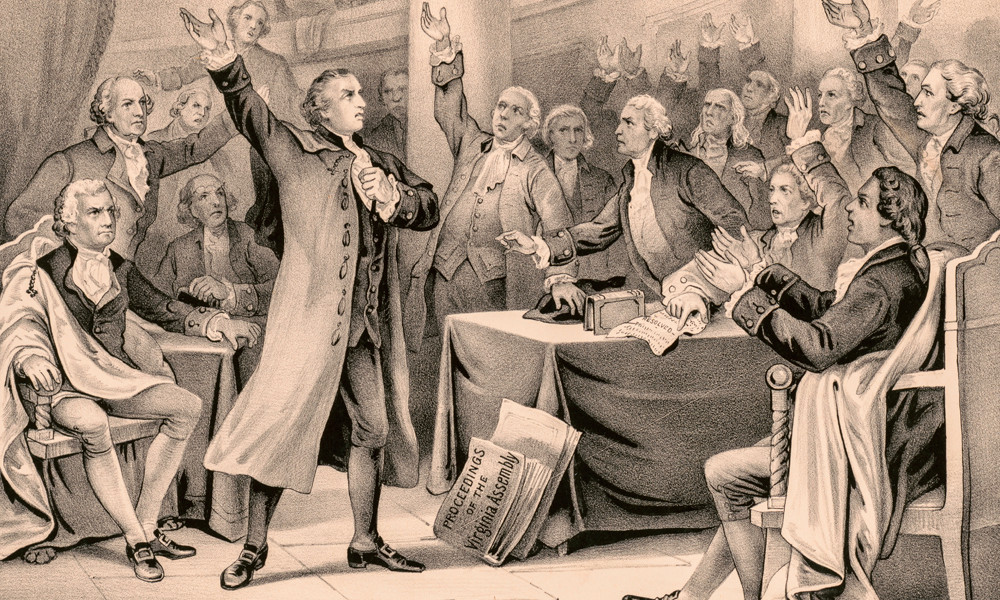
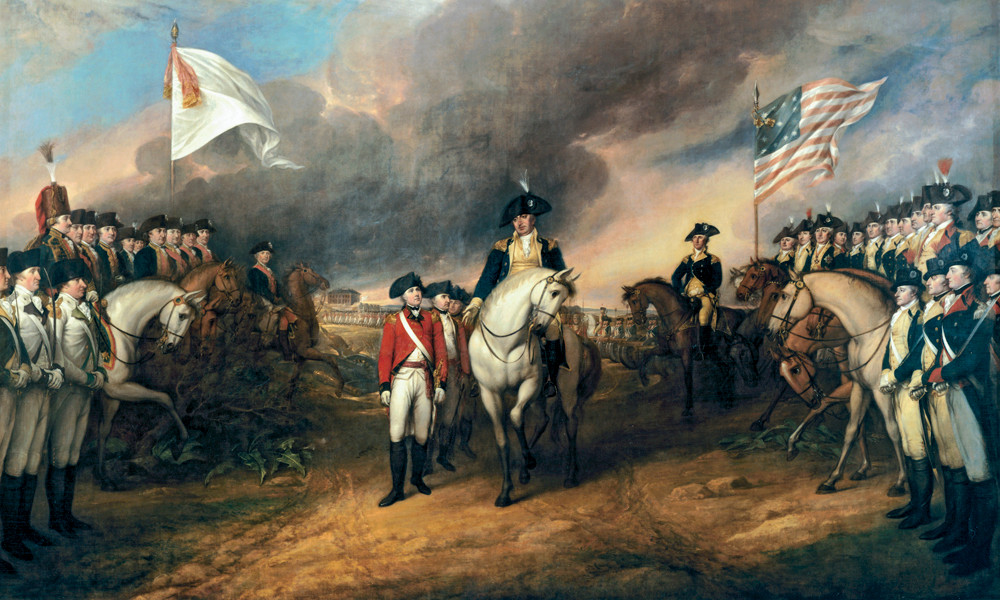
VA250 organizers believe Virginia offers the ideal place to uncover the American story. Signature events in 2026 include:
- a history of tribal nations in Virginia
- a commemoration of slave ships arriving on the commonwealth’s shores from Africa
- recreations of the Fifth Virginia Convention of May 15, 1776, and, a month later, Richard Henry Lee’s resolution in the Second Continental Congress that “these United Colonies are, and of right ought to be, free and independent States”
- an afternoon of conversation, music, poetry and theater at Thomas Jefferson’s Monticello in honor of the Declaration of Independence
- and celebrations of the Virginia Declaration of Rights, Juneteenth and the nation’s 250th birthday on July 4 in Colonial Williamsburg
Additionally, the VA250 Mobile Museum, a hands-on, interactive and immersive experience titled “Out of Many, One,” is traveling throughout the state, prioritizing Virginia schools and educational institutions, to bring key stories of Virginia’s rich history to life.
VA250 was front and center at JMU in early March, with a week of events, conversations, and programming designed to inform and engage students, faculty, staff, and the local community. Highlights included a showing and panel discussion of Ken Burns’ film The American Revolution; a community dialogue around the question “What’s Next, America?”; and a discussion of the Mennonite and Brethren experiences in the Shenandoah Valley during the Revolutionary War.
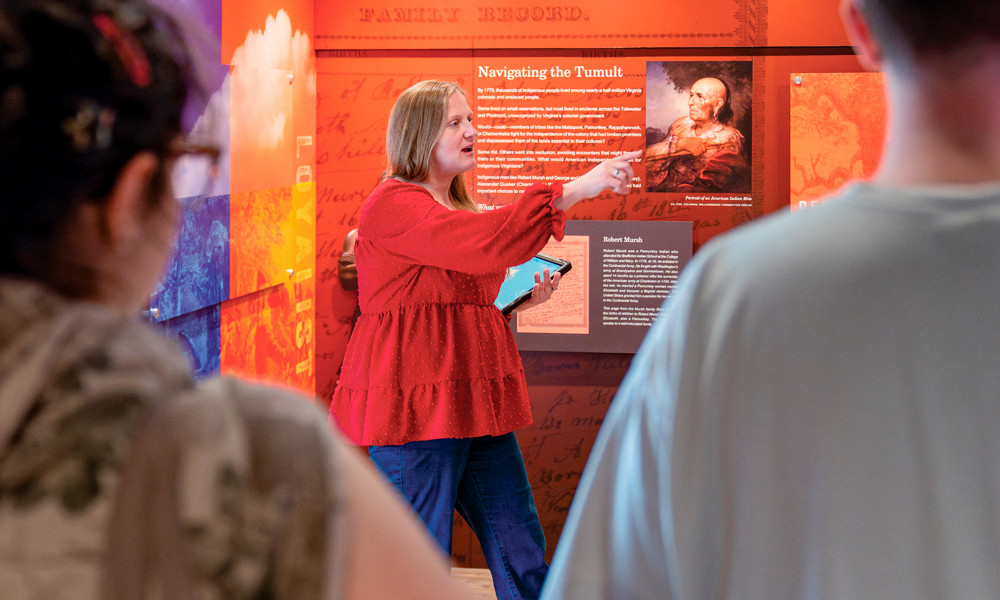
As a public university in the commonwealth and the only one named for James Madison, JMU has a responsibility to support civic engagement and foster meaningful public dialogue around difficult issues, said Dr. Kara Dillard, executive director of the James Madison Center for Civic Engagement.
“Milestones like VA250 are opportunities to examine our shared past with honesty and depth and to chart our next 250 years together,” Dillard said. As a nation deeply divided over how to interpret the past and define the future, “it’s important to take time to find, as Thomas Paine wrote, ‘a small spark’ that can pull people together across divides to seek shared solutions and a common cause,” she said. Disagreements are necessary to create change, she said, “but if we fail to engage in conversations where we will disagree with others, we fail to position ourselves to be the change.”
Both Dillard and Fiorina emphasize the importance of an engaged citizenry in helping preserve the American republic.
“At the time of the Revolutionary War,” Dillard said, “Madison was 25 years old, living at Montpelier and wrestling with the question, what would freedom actually mean in practice for a diverse and pluralistic society, one that deeply disagreed, yet was in need of a common cause? That question is now up to the current generation of young people to decide and make happen.”
“In this country,” Fiorina said, “citizens are sovereign — not political parties, not presidents, not governors, certainly not kings. Citizens. And it is up to us to work toward forming a more perfect union.”



