Faculty-led field study explores Puerto Rico
Students and professors study Caribbean landscapes through an immersive, field-based course
JMU Headlines


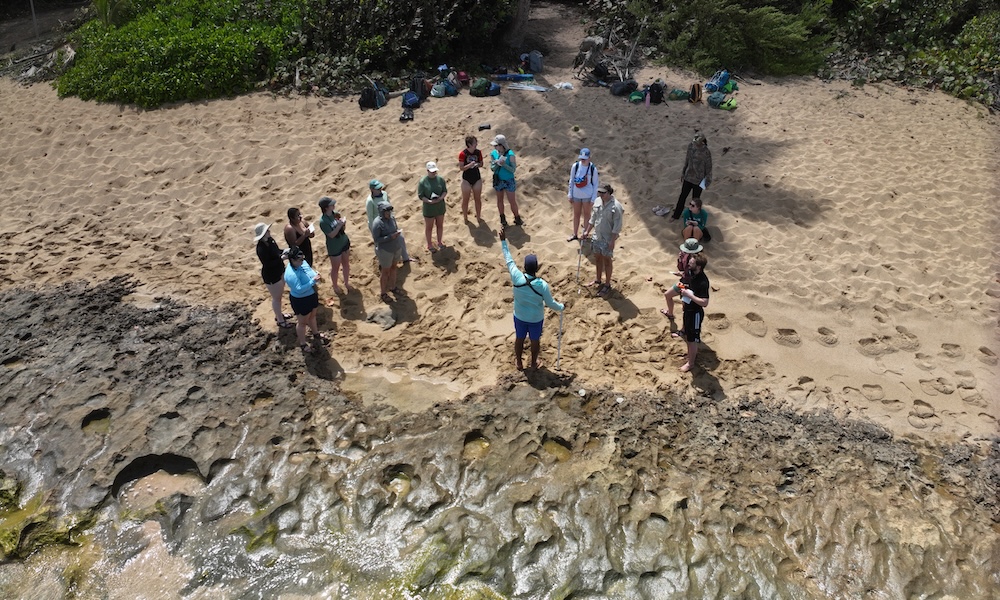


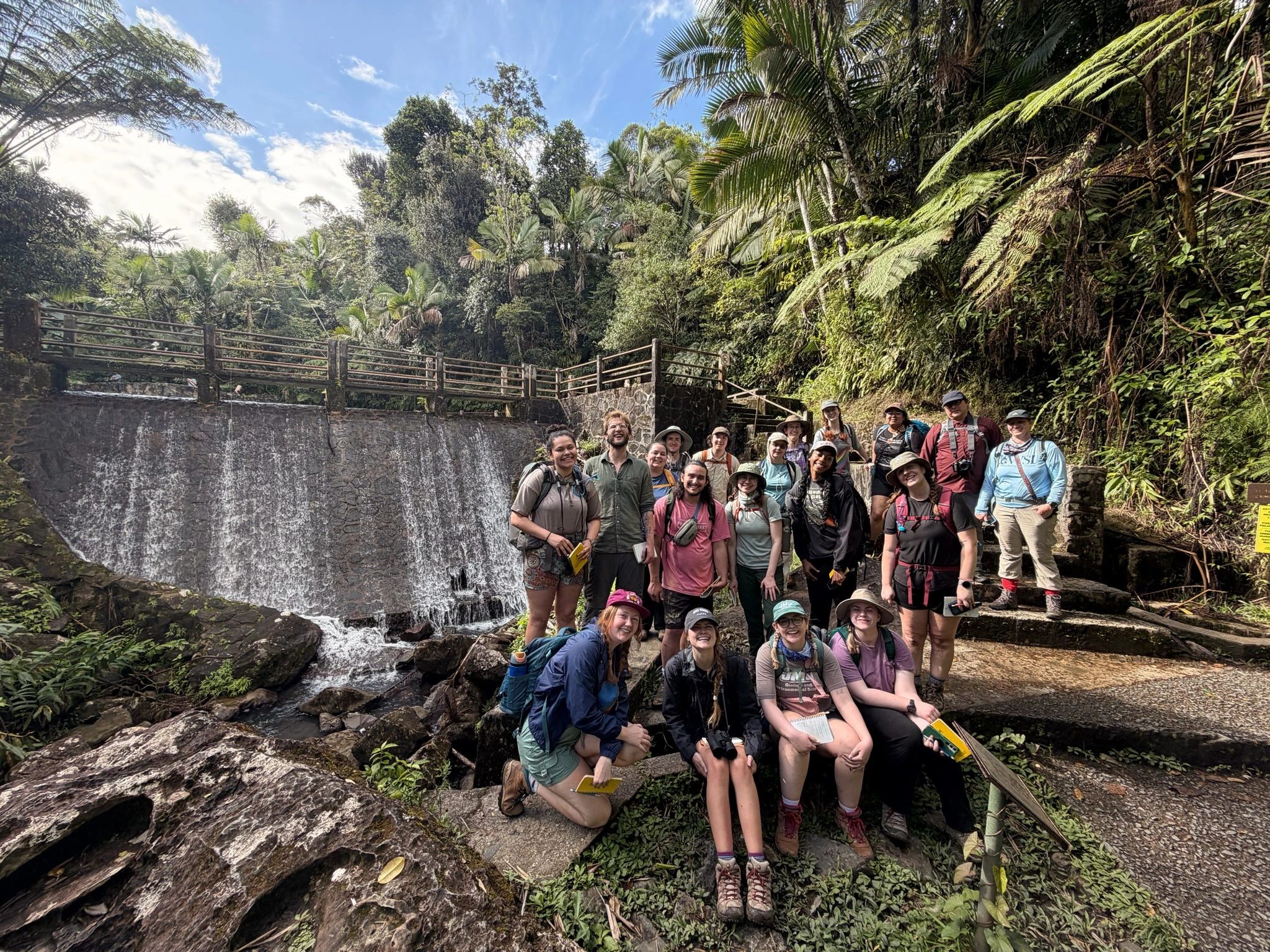
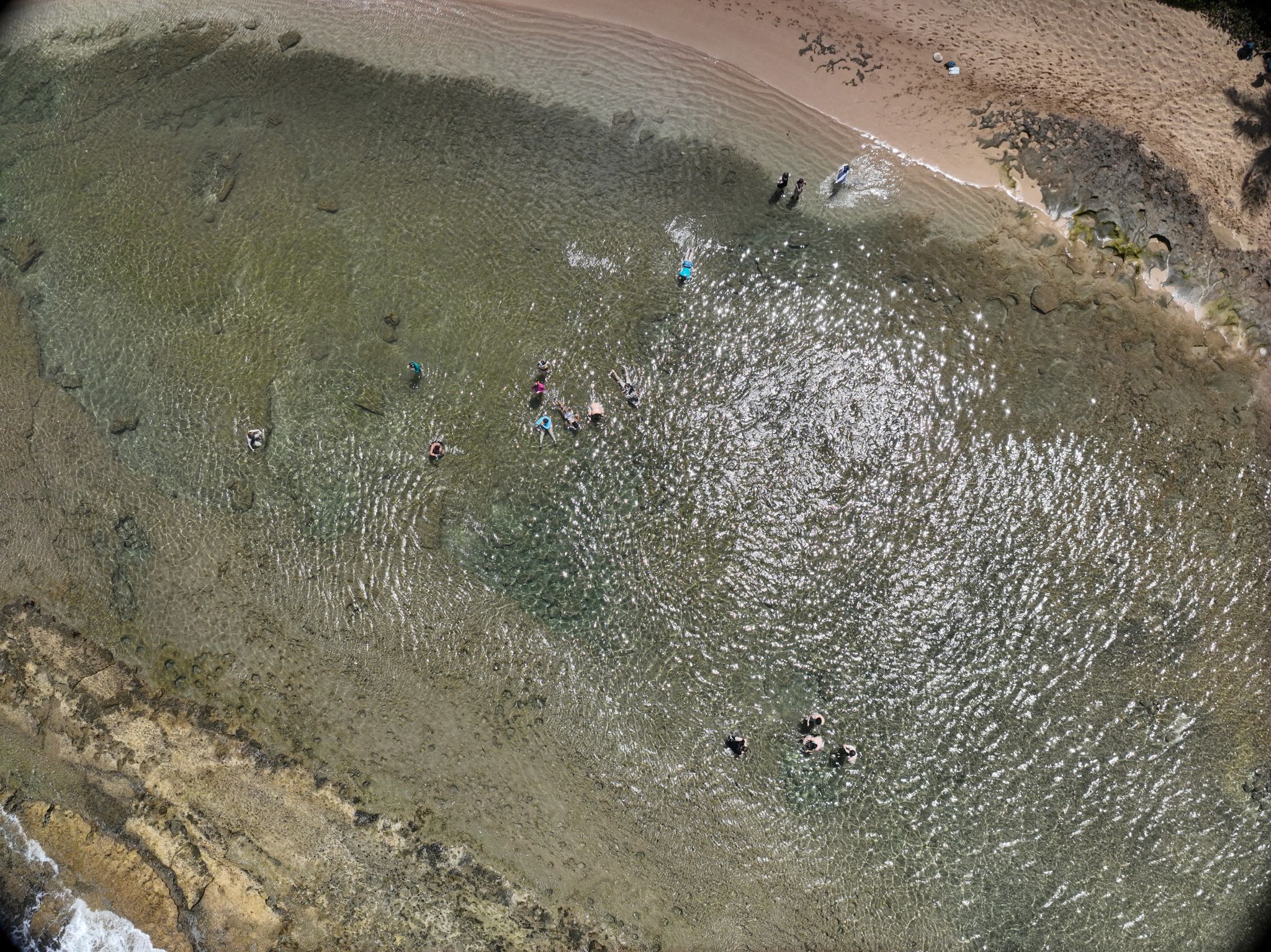
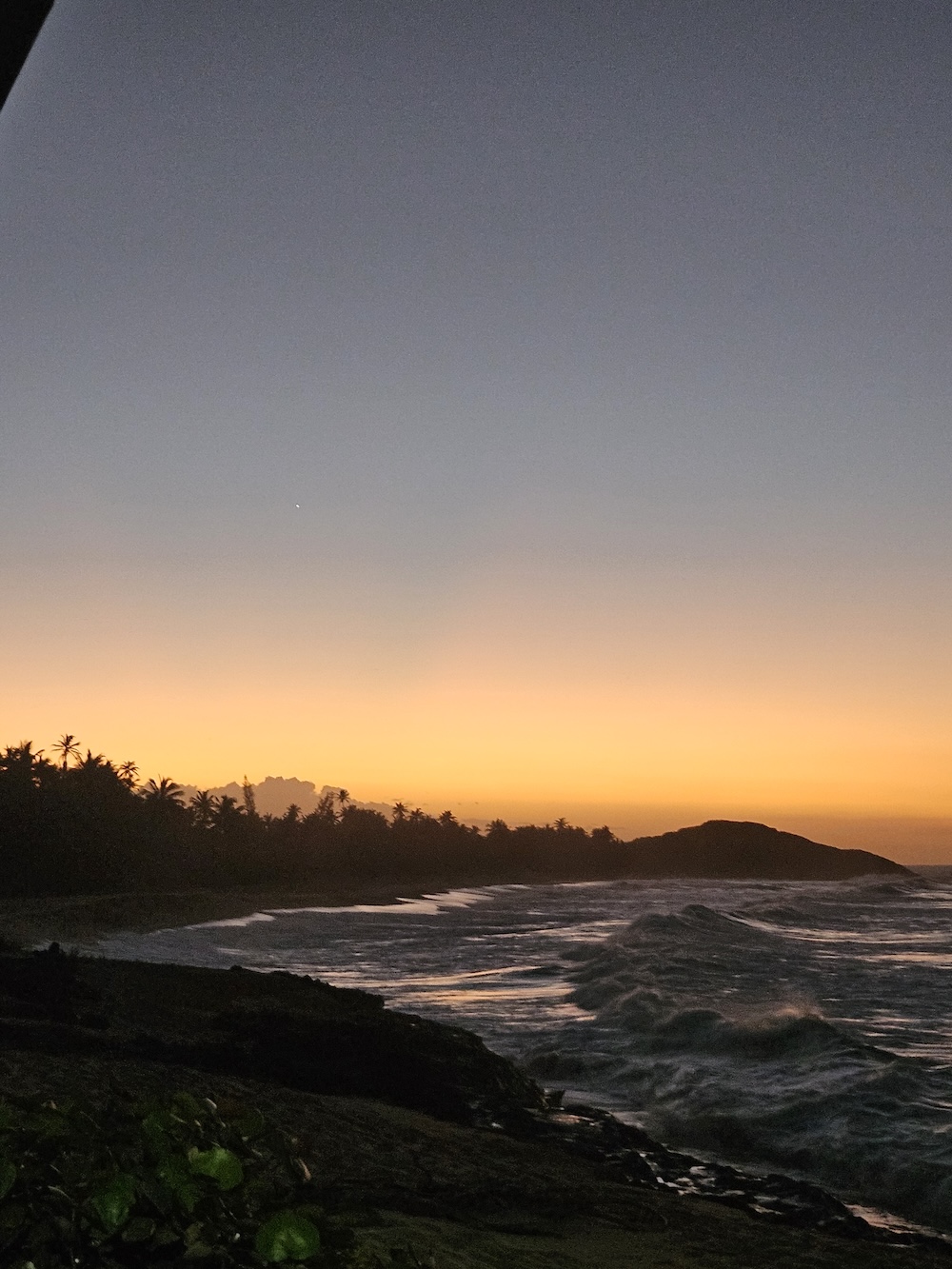
For students in JMU’s geology and biology programs, spring break meant trading lecture halls for caves, tropical forests, and Caribbean coastlines in Puerto Rico. Seventeen undergraduate and graduate students participated in Geology and Ecology of the Caribbean, an immersive faculty-led field program.
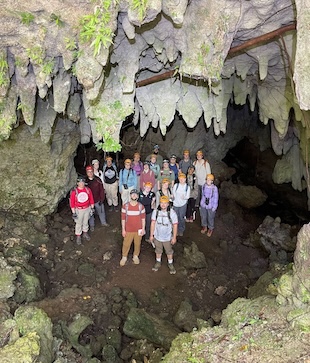
Led by Ángel Garcia Jr. (Geology and Environmental Science) and Kelsey Reider (Biology), the course gave students the opportunity to apply classroom concepts while exploring the island’s diverse geological formations and ecosystems.
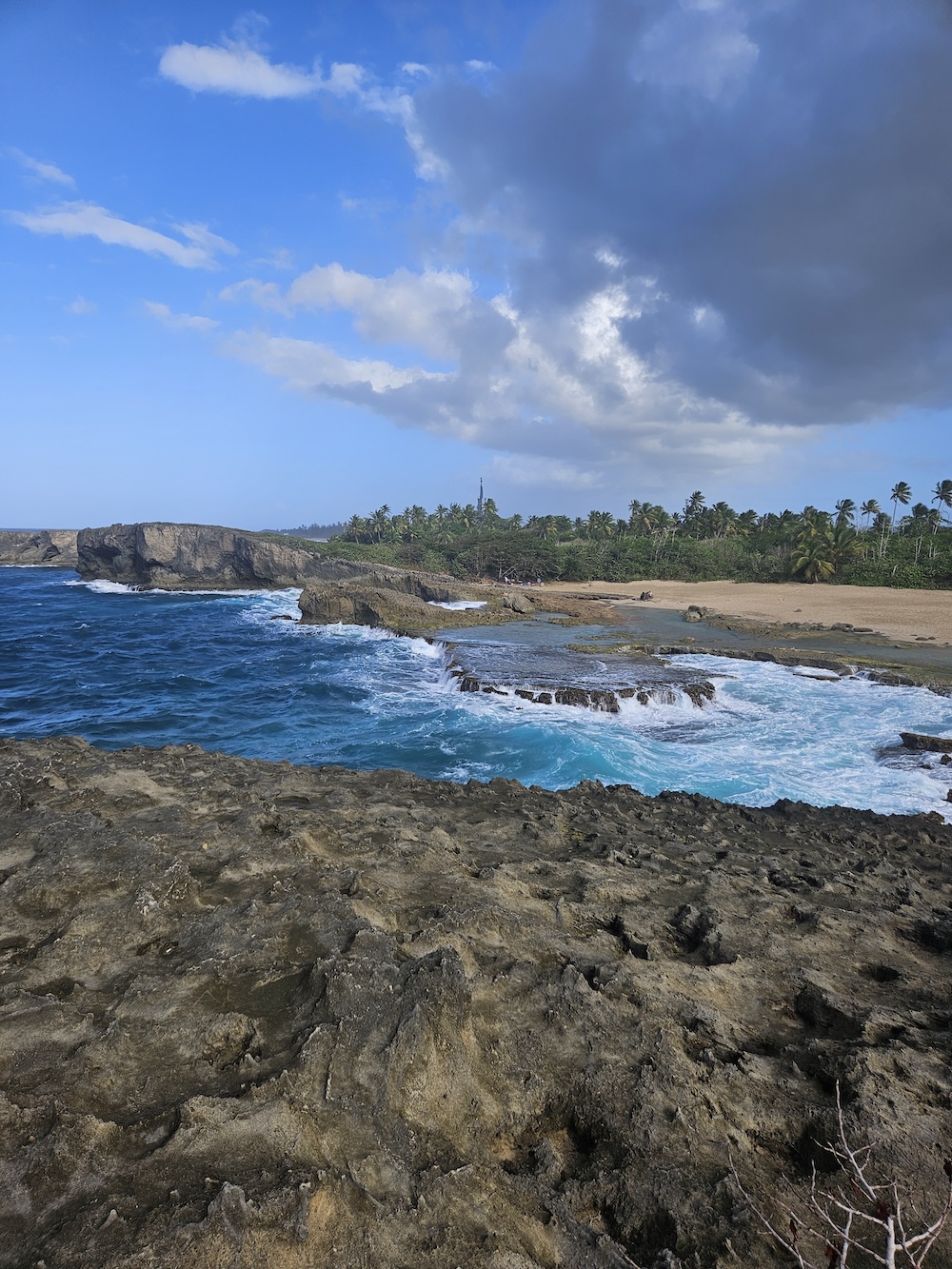
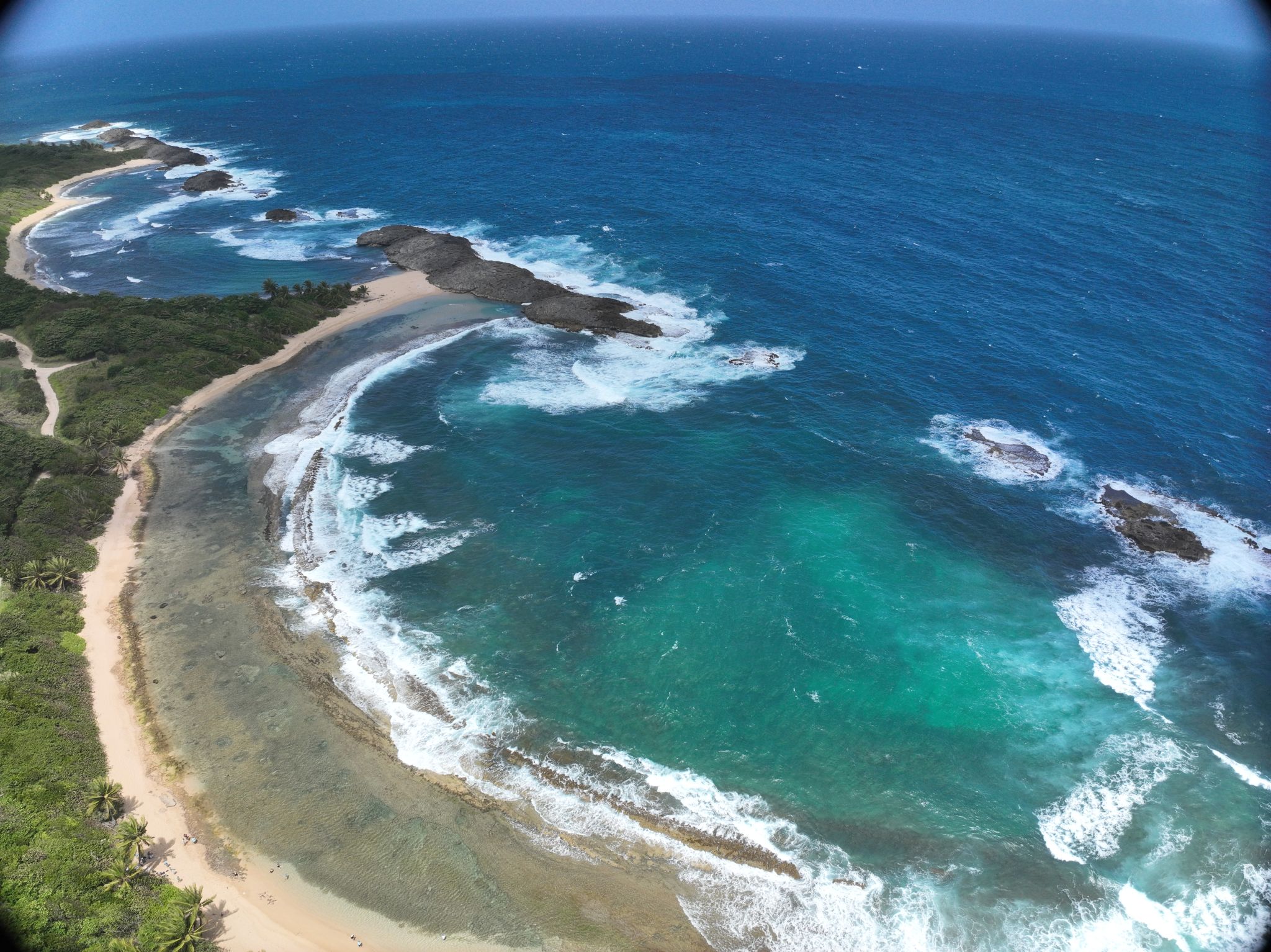
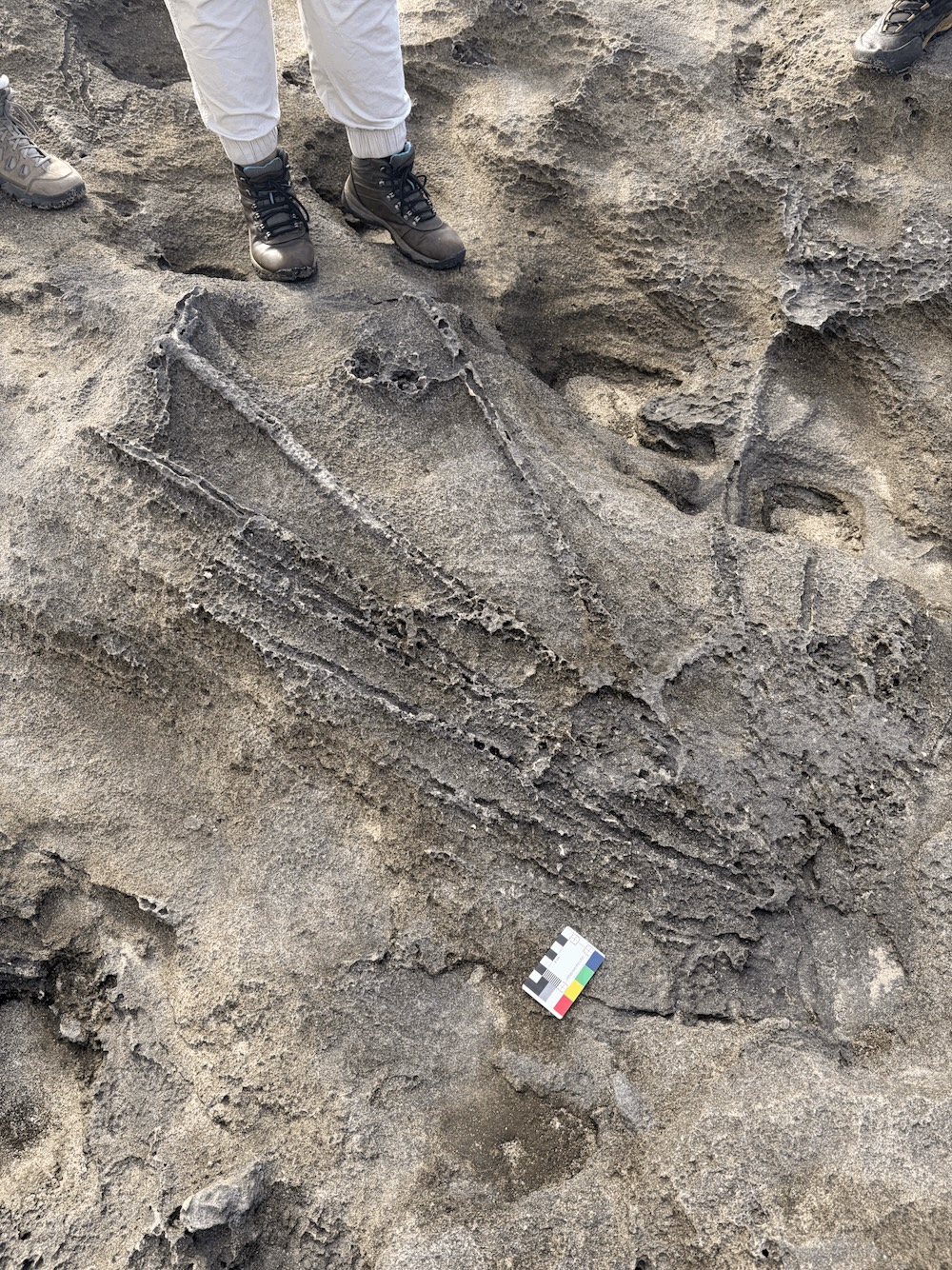
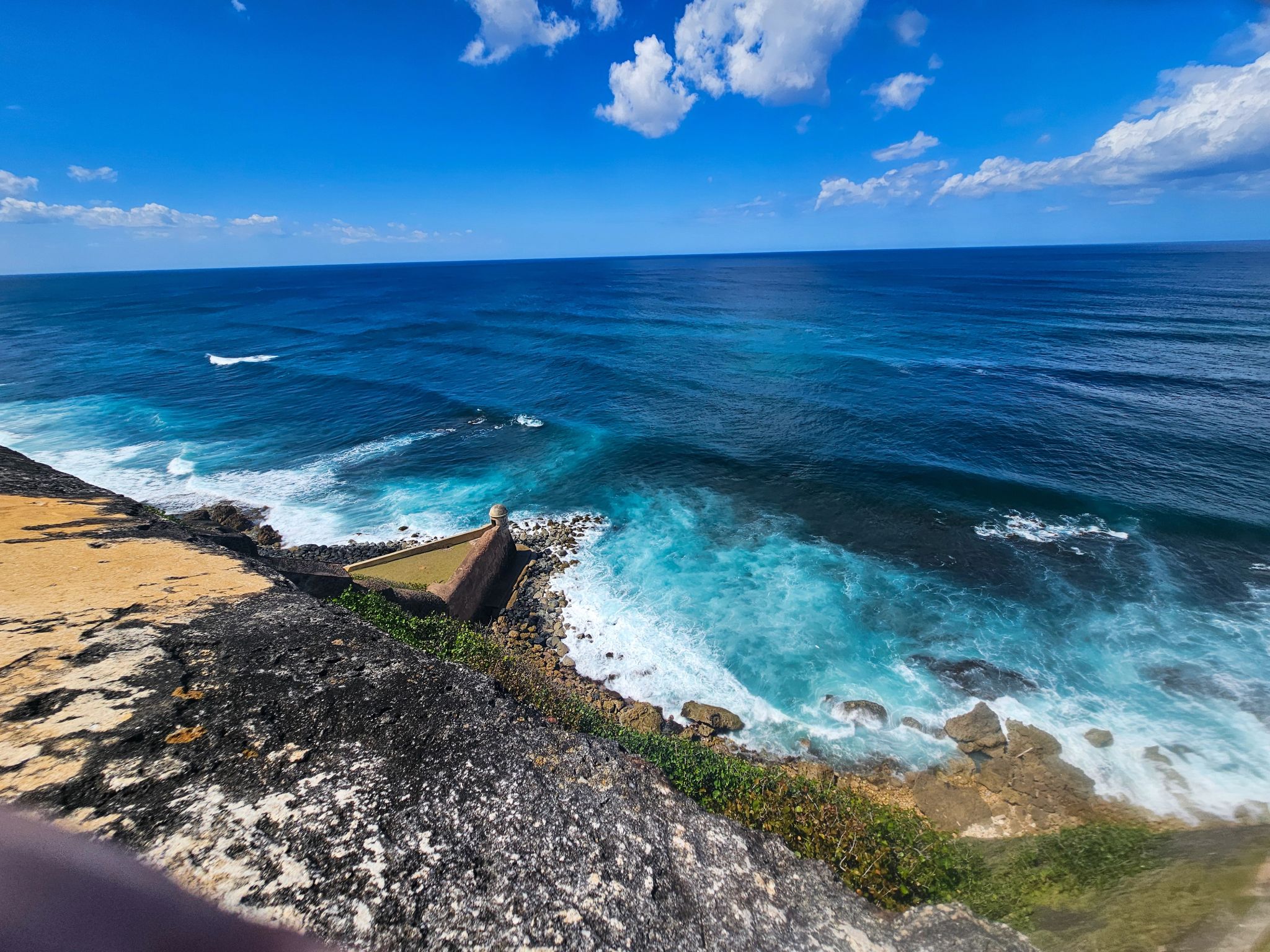
Throughout the week, students visited a variety of field sites, examining karst landscapes, coastal systems, and diverse forest habitats. Puerto Rico’s geology, particularly its limestone formations (karst), offered insight into millions of years of tectonic activity, sea level change, and landscape evolution.
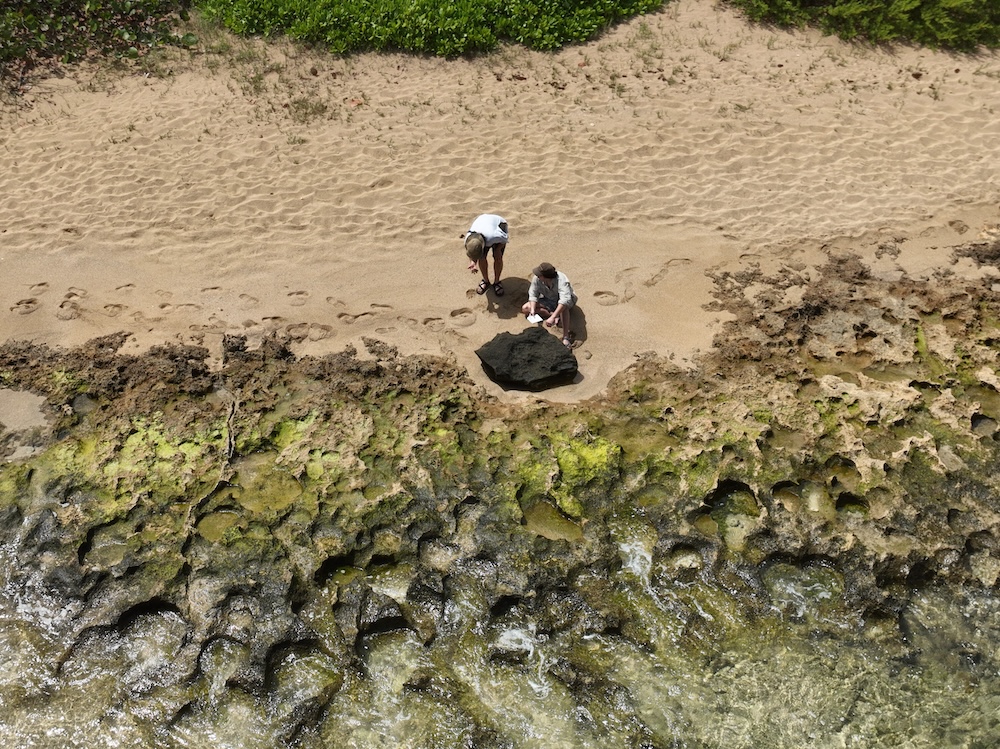
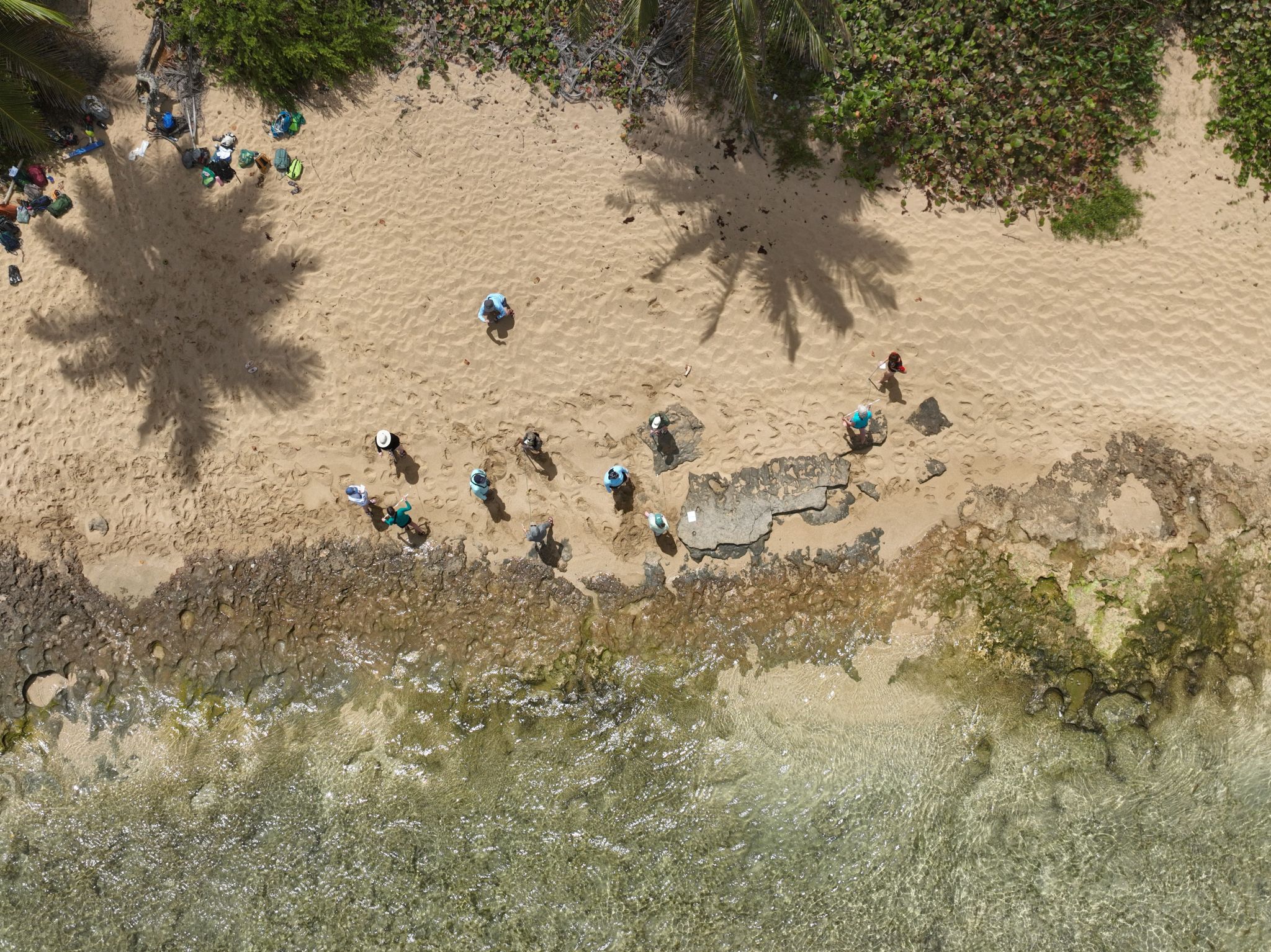
Students also developed practical field skills, including beach profiling, geomorphological mapping, biodiversity observation survey, and bird and wildlife identification.
“This past week, I had the unique privilege of studying abroad with JMU, learning more about Puerto Rico’s geology and ecosystems,” said ecology and environmental biology major Lauren Witmer (‘26). “I gained experience in a variety of field techniques and was reminded that stepping outside your comfort zone is essential for growth.”
In addition to fieldwork, students engaged with local scientists and experts, gaining perspective on the environmental and cultural significance of the region. Activities included learning about conservation, geohazards, and the relationship between natural systems and human activity.
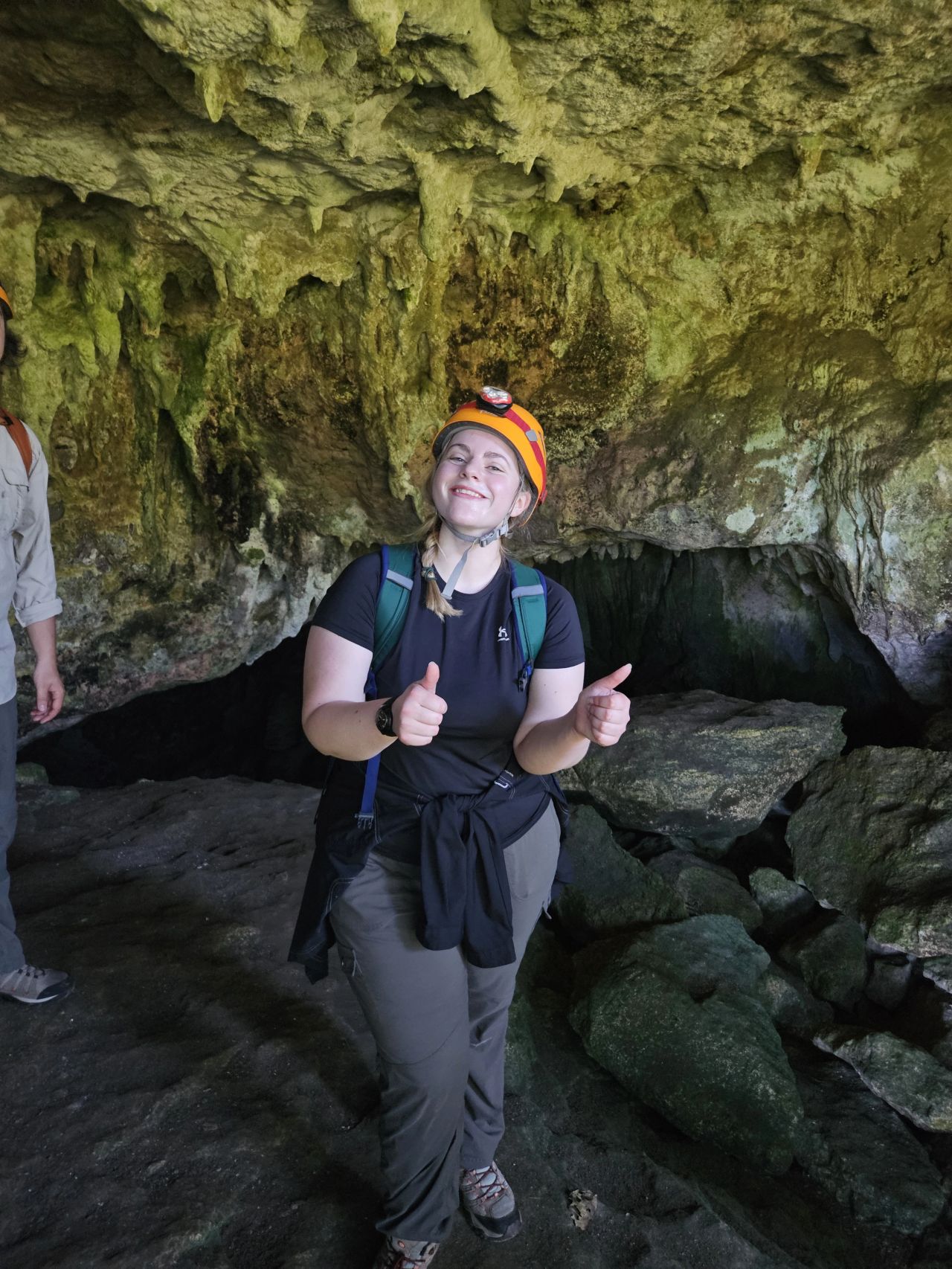
The course was conducted in collaboration with the University of Puerto Rico at Arecibo. Professor Ángel A. Acosta-Colón of UPR Arecibo generously shared his time and expertise, guiding students through caves and providing invaluable local insights.
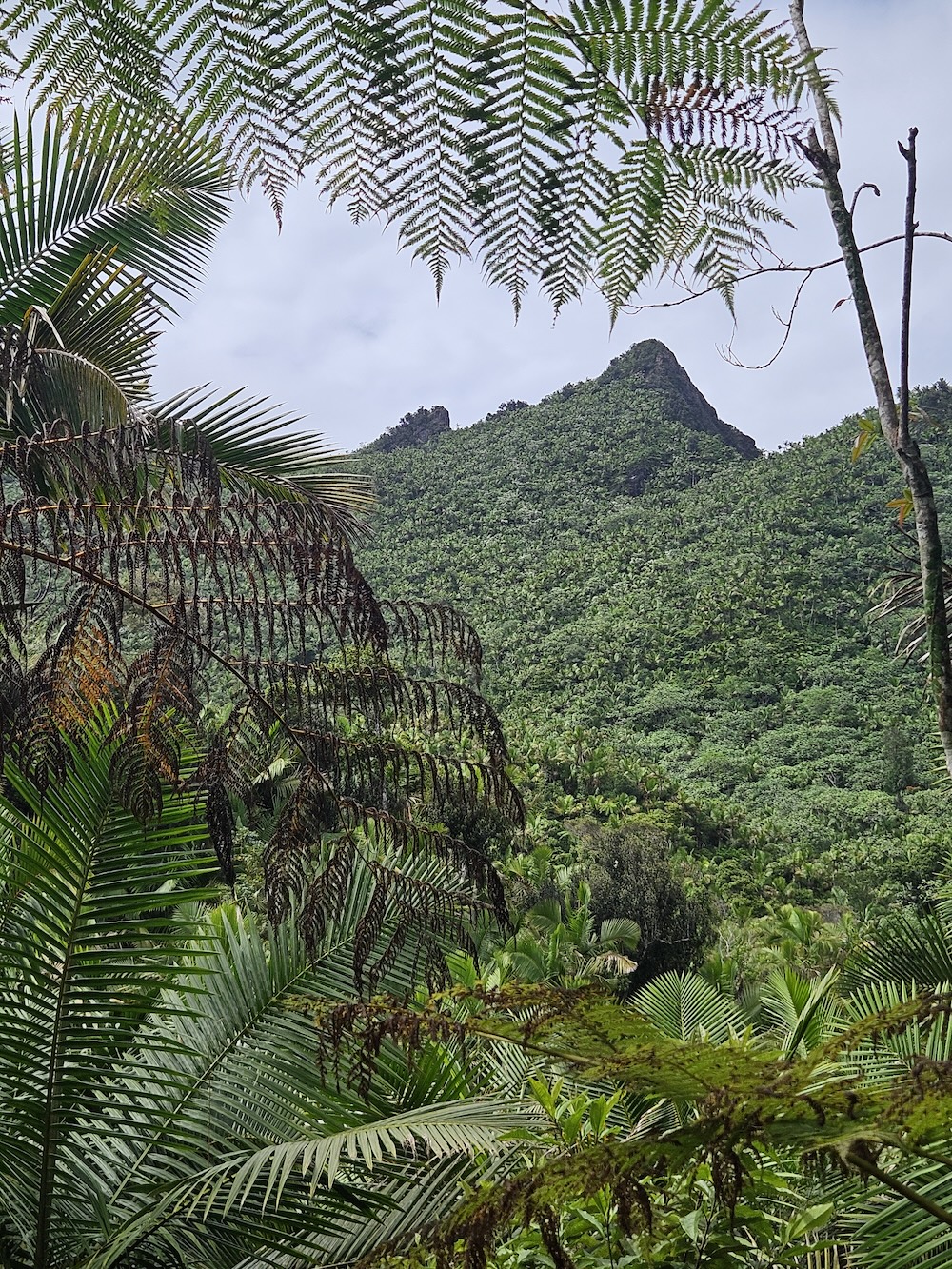
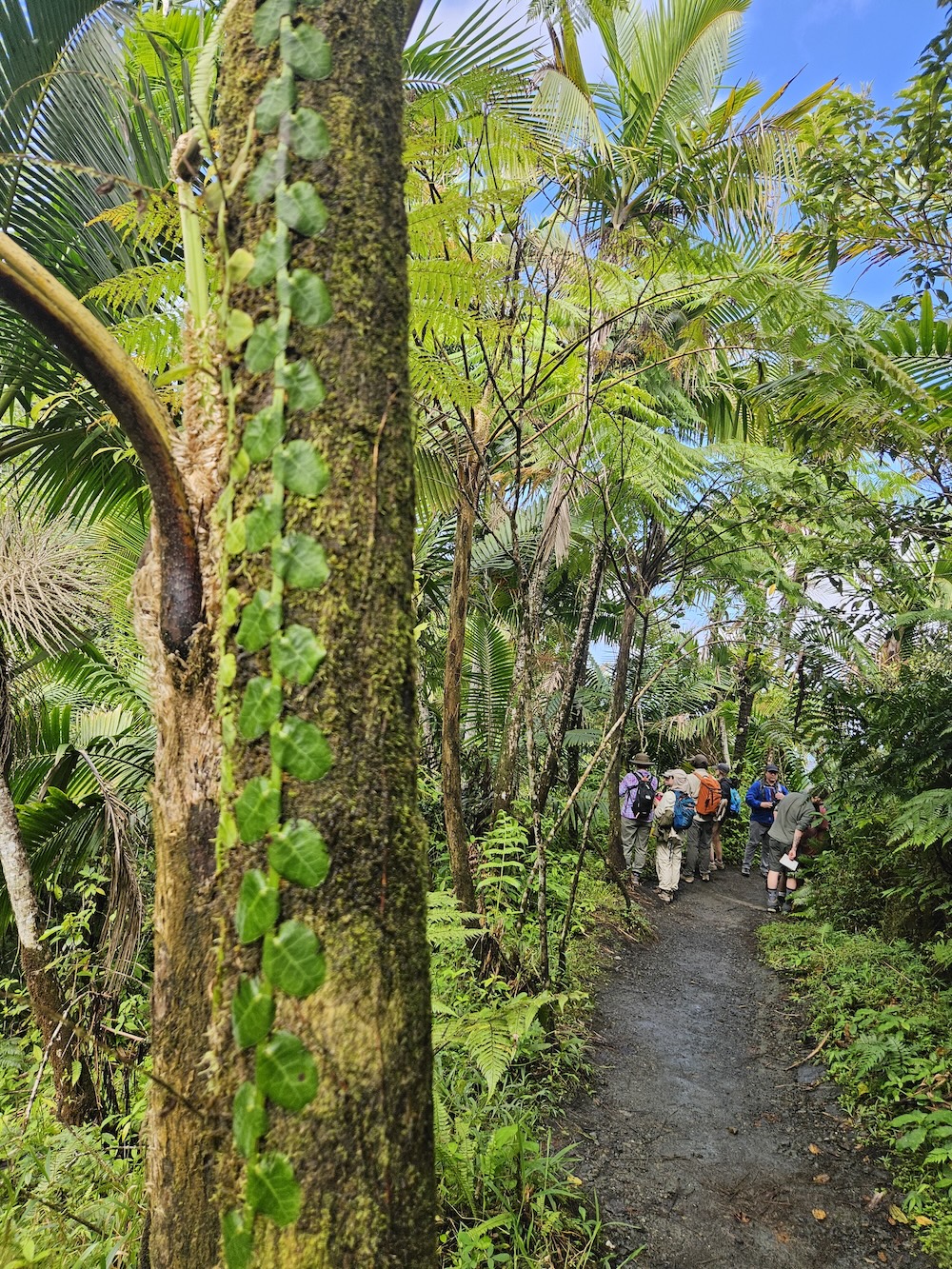
The group also explored different life zones found at El Yunque National Forest, the only tropical rainforest in the U.S. National Forest System and a critical area for biodiversity.
Preparation for the trip began prior to spring break, with students meeting regularly to build foundational knowledge and learn field methods. The travel component allowed them to apply those skills in real-world settings.
Garcia said the course is designed to help students connect scientific concepts with lived experience. “Students engaged in hands-on learning through fieldwork, mapping, and observation while also exploring the broader environmental and cultural context of the Caribbean,” he said.
In addition to academic experiences, students stayed in Arecibo and San Juan, where they were introduced to Puerto Rican culture through local food, community interaction, and daily life.
Through place-based teaching, cultural immersion, and experiential learning, the program offered more than academic credit. It gave students a deeper understanding of complex environmental systems and the confidence to explore them.
As Witmer reflected, sometimes the most meaningful learning begins by stepping outside what’s familiar — and into something new.
Ángel A. Garcia Jr. is an assistant professor in the Department of Geology and Environmental Science at James Madison University. He teaches introductory courses such as Physical Geology (GEOL 110) as well as upper-level courses, including GEOL 398 and GEOL 400. His research focuses on cave and karst science and place-based education in Latin America and the Shenandoah Valley. Garcia joined JMU in 2018.
Kelsey Reider, Ph.D. is an assistant professor in the Department of Biology at James Madison University, where she has taught since 2021. Her research focuses on wildlife and ecosystem responses to climate change, amphibian adaptations to high-elevation environments, and the role of animals in shaping ecosystems. Current projects in her lab include studying ecosystem development following glacier loss in the Andes and the thermal biology of high-elevation salamanders in the Rocky Mountains. She mentors students interested in vertebrate and ecosystem ecology through hands-on research opportunities.
Lauren Witmer (‘26) is a biology major with a concentration in ecology and environmental biology from the Richmond area. During her time at JMU, she has been involved in undergraduate research focused on restoring riparian zones using native tree species, as well as campus organizations including Cru and the Tri-Beta Biological Honor Society. After graduation, she plans to pursue a career in forestry and restoration ecology.
Photos provided by Lauren Witmer (‘26) and Ángel A. Garcia Jr. Information for this article was compiled from their LinkedIn profiles.