

The city is a classroom: JMU in Kyoto and Tokyo
News


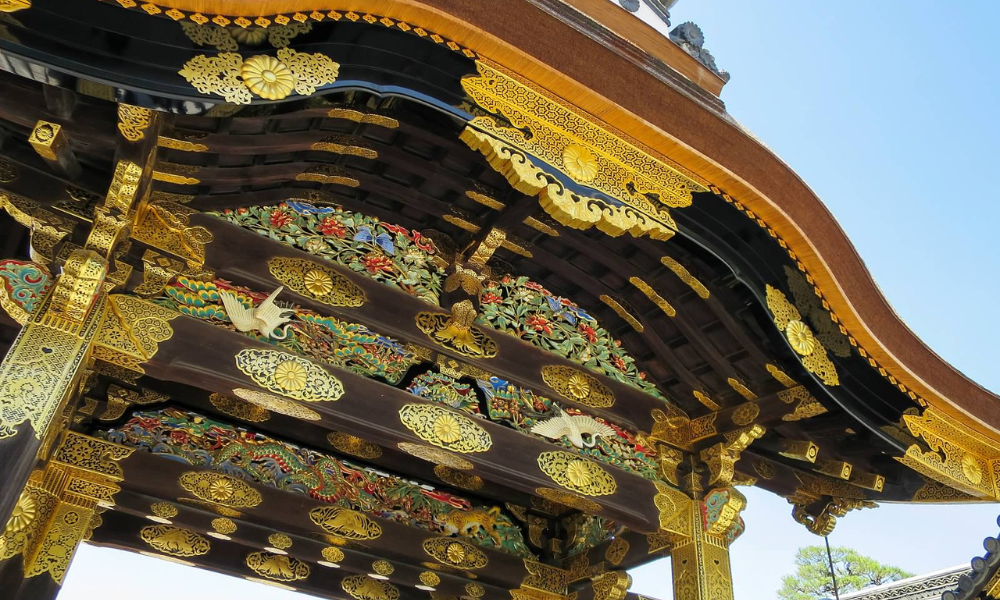
SUMMARY: In Summer 2013, World Languages and Cultures faculty Yuho Nemoto and Aram Shahin teamed up to create a study abroad program in Japan. The program has continued to grow since then.
In Summer 2013, Yuho Nemoto and Aram Shahin, faculty in World Languages and Cultures (formerly known as Foreign Languages, Literatures and Cultures), teamed up to create a study abroad program to Japan. They were driven by a desire to offer students immersive opportunities to connect classroom learning with experiences in Japan. The JMU in Kyoto and Tokyo program has grown significantly since its launch.
Originally designed as a language-immersion experience for intermediate Japanese language students, the learning environment has evolved over the years from an apartment classroom and a partner university campus to its current central-city location. Through collaboration with local university students, participants have had a taste of Japanese campus life.
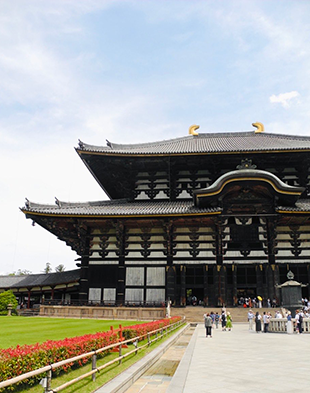 Outside of the classroom, students visit historical and cultural landmarks throughout the Kansai region, including excursions to Kyoto, Uji, Osaka, Nara and Himeji. On any given morning, students might find themselves in the quiet serenity of a Japanese temple; on the next, they’d wade through the crowded streets of a local market. Students have also engaged in hands-on cultural activities, such as tea ceremony, Zen meditation and Wadaiko drumming.
During the inaugural four-week program in Kyoto, Nemoto and Shahin realized there was a strong interest in exploring the capital when their students organized an independent trip to Tokyo. The following year they incorporated Tokyo into the itinerary, eventually extending the program to six weeks. The schedule now balances guided excursions to must-see spots like Asakusa, Shibuya and Yokohama with designated free days for students to explore their own interests — from finding niche electronics stores to visiting the Hello Kitty amusement park — ensuring the program remains flexible and responsive.
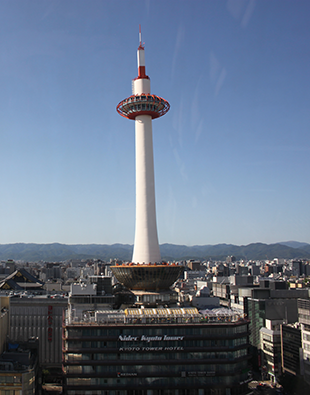 As the program’s popularity grew, students often asked if friends who were not taking Japanese language courses but were interested in Japanese culture could participate. In response, the program added a track focused on Japanese literature and culture, which swiftly expanded participation.
The influx of students has created a unique dynamic: language-track students often help those in the culture track navigate stores, restaurants and other aspects of daily life. This fosters close-knit groups, with students supporting one another as they step outside their comfort zones and explore new places — in 2024, students organized their own outings to the Kyoto International Manga Museum and Mount Hiei and completed the program’s first successful climb of Mount Fuji.
For Nemoto, the reward comes from seeing students — many of whom have never left the country — gain confidence as they immerse themselves in a new culture. “Watching them connect with local people and develop positive, lasting relationships with Japan motivates us to return year after year.”


