

JMU expert shares trends shaping today’s wedding celebrations
JMU News


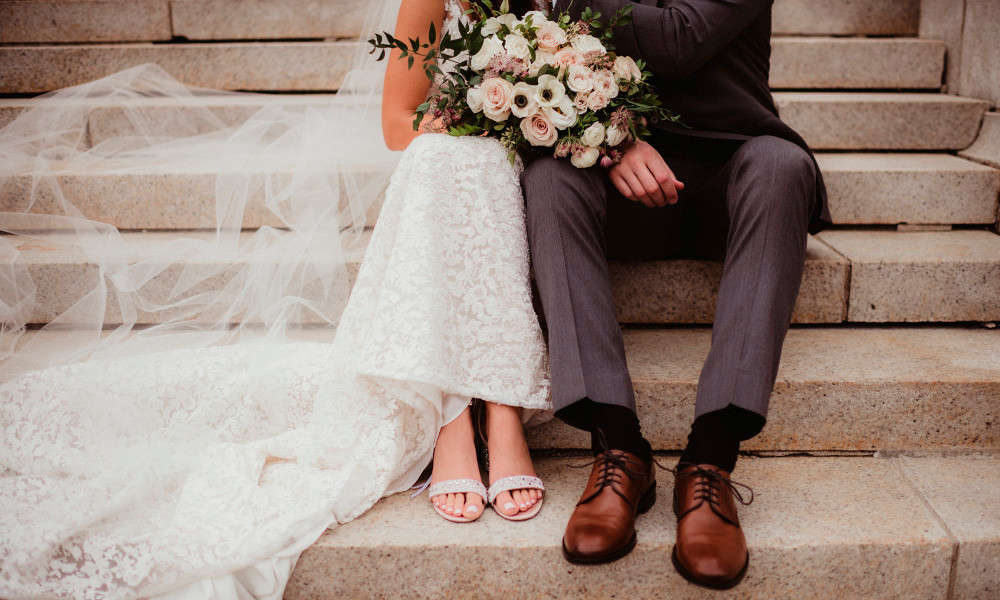
 With wedding season in full swing, JMU faculty expert and Hart School lecturer Donna Fickes offers insight into the current shifts in guest expectations, event planning, menu design and spending.
Q: What trends are you noticing this wedding season?
A: One of the most notable trends is the growing emphasis on guest experience. Couples are investing in interactive food and beverage stations, curated entertainment, wedding weekend activities, and personalized touches that create lasting memories.
Q: What makes these experiences so appealing?
A: Guests remember how an event made them feel more than they remember the decorations or color palette. Couples are recognizing that weddings are one of the few occasions where their favorite people gather in one place, so they're designing celebrations that encourage connection rather than simply following tradition. Whether it's a welcome dinner, a late-night snack, or a farewell brunch, these shared experiences create more opportunities for conversation, relationship-building, and lasting memories. From a hospitality perspective, that's the hallmark of a successful event.
Q: What economic factors are influencing couples’ decisions?
A: Consumer behavior around wedding spending is changing. Couples are becoming more strategic in how they allocate budgets, often choosing smaller guest counts, enhanced dining experiences, and high-impact elements that deliver the greatest perceived value. Rising costs and increased price transparency have also made budgeting a central part of the planning process.
Q: How are technology and sustainability affecting wedding planning?
A: Technology and sustainability are further reshaping the wedding landscape. Digital planning tools, wedding websites, mobile RSVPs, and artificial intelligence-assisted planning have become commonplace. Meanwhile, environmentally conscious couples are seeking ways to reduce waste through local sourcing, sustainable menu choices, reusable décor, and thoughtful event practices.
Q: Are there certain guest experience elements that are becoming must-haves versus nice-to-haves?
A: Great food, comfortable seating, and a well-organized flow of the event have become non-negotiables because they directly influence how guests experience the celebration. Couples are also placing greater value on convenience through clear communication, transportation when needed, and thoughtful scheduling. Elements that were once considered extras, such as welcome parties, signature cocktails, or late-night snacks, are increasingly viewed as worthwhile investments when they enhance the guest experience. On the other hand, some traditional expenses, like elaborate favors or oversized floral installations, are becoming easier for couples to scale back if they don't contribute meaningfully to the celebration.
Q: How are caterers and venues adapting to meet this demand for environmentally responsible events?
A: We're seeing hospitality providers become much more intentional about sustainability. Many caterers are designing seasonal menus around locally sourced ingredients, which supports regional farmers while reducing transportation impacts. Venues are offering reusable décor, encouraging digital communication instead of printed materials, and working with nonprofit organizations to donate leftover food whenever possible. Sustainability has become less about asking guests to sacrifice and more about finding creative ways to reduce waste while maintaining an exceptional experience.
Q: Is there anything else you would like to add?
A: The biggest shift I see is that couples are giving themselves permission to celebrate in ways that reflect their values instead of someone else's expectations. One expression of that shift is the growing appeal of domestic destination weddings. Couples are choosing stateside destinations not simply because they're beautiful locations, but because they create an entire experience rather than a single-day event. Guests can customize their own trip by arriving early, extending their stay, or choosing activities that match their interests, whether that's seeing a show in Branson, Missouri, exploring the Nashville, Tennessee, music scene, hiking near Las Vegas, or enjoying world-class dining in Chicago. The wedding becomes the centerpiece of a shared vacation rather than the only attraction.
From a hospitality perspective, destination weddings also create something that lasts well beyond the ceremony. The location becomes part of the couple's story; a place they can return for anniversaries to relive memories, reconnect, and recommit to one another. Instead of a venue they may never visit again, the destination becomes a meaningful touchstone in their relationship. It's a reminder that the wedding is not the finish line, but the beginning of a lifetime of shared experiences.


