

As droughts worsen, JMU expert probes flash droughts
JMU News


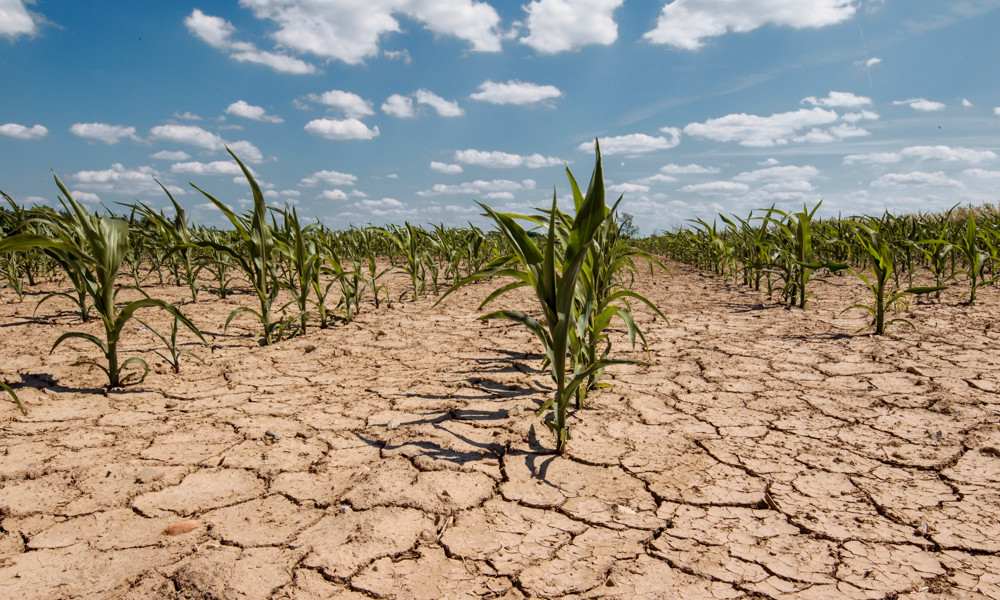
People may be familiar with flash floods, but “flash droughts” are an emerging and often overlooked climate threat with severe consequences, says JMU researcher Tobias Gerken.
 Unlike long-term droughts that develop over months or years, flash droughts can intensify within weeks, potentially causing crop losses and damaging ecosystems. What drives that sudden intensification remains poorly understood.
“There are hypotheses that feedbacks between the land surface and the atmosphere are one of the reasons these droughts develop rapidly, and understanding these feedbacks is important for a variety of reasons,” Gerken said. “We want to be able to forecast them. We want to be able to monitor them because they develop very quickly and have rapid impacts.”
The “feedbacks” Gerken is investigating are reinforcing interactions between land surfaces and the atmosphere. For example, with less rainfall, the land surface dries. As the surface dries, there is less moisture for plants and soil to release into the atmosphere, which in turn makes the atmosphere drier and decreases the chance of drought-relieving rain.
Gerken, a professor of integrated science and technology, and his students are analyzing 50 years of climate and environmental data from across the United States to better understand how and why flash droughts form and which regions may be most vulnerable.
The research aims to improve predictions of when and where flash droughts may develop, potentially giving farmers, policymakers and communities more time to prepare for impacts ranging from agricultural losses to heightened wildfire risk.
Gerken said the work is ongoing, with students gaining hands-on research experience and presenting findings at national conferences. A peer-reviewed paper is also in development. As scientists continue to refine their understanding of flash droughts, he hopes the research will help improve early warning systems and give communities more time to respond before impacts take hold.


