

Before you board: A health expert’s guide to staying well on cruises
JMU News


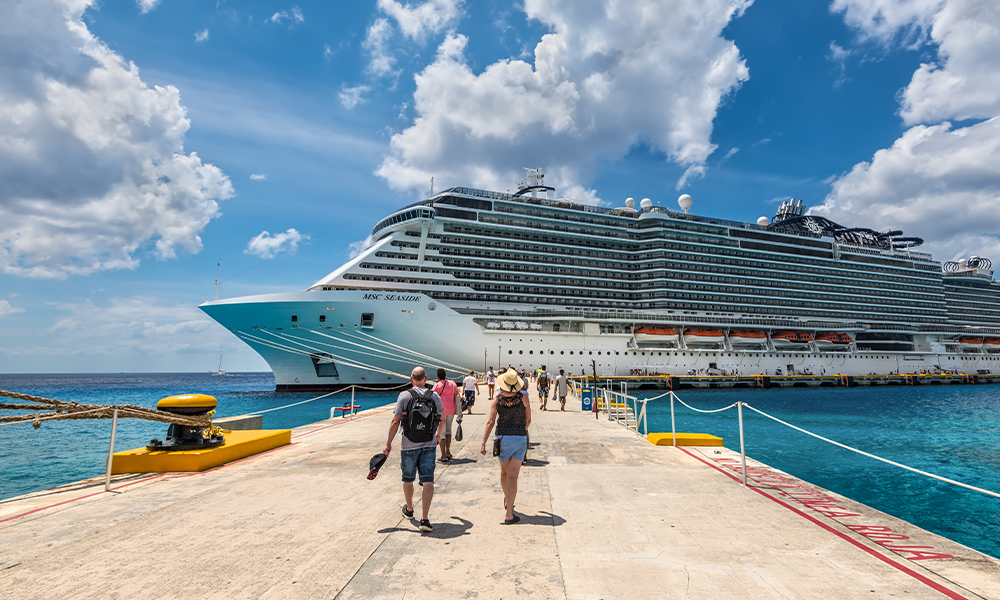

With news of hantavirus linked to a recent Antarctic cruise, travelers may be wondering about the risk of infectious diseases at sea. Sojib Zaman, a professor of health sciences with more than a decade of experience studying infectious and chronic diseases, shares what passengers should and should not worry about this summer.
Should travelers be concerned about hantavirus or other viruses when booking cruises this summer?
At this point, hantavirus is not something cruise travelers should be particularly concerned about. Hantavirus is typically associated with exposure to rodent droppings or nests, most often in rural or wilderness settings, not in well-maintained cruise environments. Cruise ships operate under strict sanitation and inspection standards, making the conditions that usually lead to hantavirus transmission very unlikely.
Travelers should be aware of more common viral illnesses that occur in cruise settings. These include norovirus, seasonal respiratory viruses, COVID-19, and influenza. These infections are more relevant to cruise travel because they spread efficiently in closed and shared environments.
What infectious diseases are most reported on cruise ships?
Cruise ships bring together people from many regions, increasing the risk of exposure to circulating viruses. The most reported infectious disease on cruise ships is norovirus, which causes gastrointestinal illness. It spreads easily through contaminated surfaces, shared food, and person-to-person contact, especially in settings where many people are eating, gathering and living in close proximity.
Respiratory viruses are also common. These include influenza, COVID-19, and other cold viruses.
What practical steps can travelers take to reduce their risk of illness on a cruise?
There are several simple and effective steps travelers can take while on a cruise:
- Washing hands with soap and water is especially important before eating and after using the restroom. Hand sanitizer is useful, but it is less effective than handwashing for certain viruses like norovirus.
- Staying current on vaccinations. This includes influenza and COVID-19 vaccines.
- Choosing less crowded times or spaces can reduce risk. Buffet dinners, lunches, crowded indoor areas, and entertainment venues are common points of exposure.
- Staying hydrated and well-rested and isolated if symptoms develop.
Beyond cruises, how significant is the risk of exposure while flying or visiting crowded destinations?
The key point is that the risk of getting the hantavirus comes from crowding and contact, not from the specific mode of travel. The risk is not limited to cruise travel. Any situation that involves close contact with large numbers of people increases the likelihood of exposure to infectious diseases. Airplanes, airports, public transportation, concerts and popular tourist sites all bring people into shared airspace and high-contact environments.
Air travel itself is often safe in terms of air filtration, but the overall travel experience includes time in lines, boarding areas, and crowded terminals where exposure can occur.
What basic health precautions should travelers follow this summer, domestically or internationally?
A few broad strategies can make a meaningful difference:
- Stay up to date on recommended vaccines.
- Practice hand hygiene regularly.
- Be cautious with food and water at certain destinations.
- Monitor travel health advisories from reliable public health sources.
What common mistakes do travelers make that increase their risk of getting sick?
First, travelers sometimes underestimate mild symptoms and continue participating in group activities. This increases the risk of spreading illness to others and can prolong their own recovery. Another frequent issue is over-reliance on hand sanitizer alone. While it is convenient, it does not replace proper handwashing, particularly for illnesses like norovirus. Finally, some people overlook basic health habits such as sleep, hydration and nutrition. These are easy to neglect while traveling, but they play a significant role in immune function.


