

Montpelier and the work of democracy at America’s 250th
Nation and World


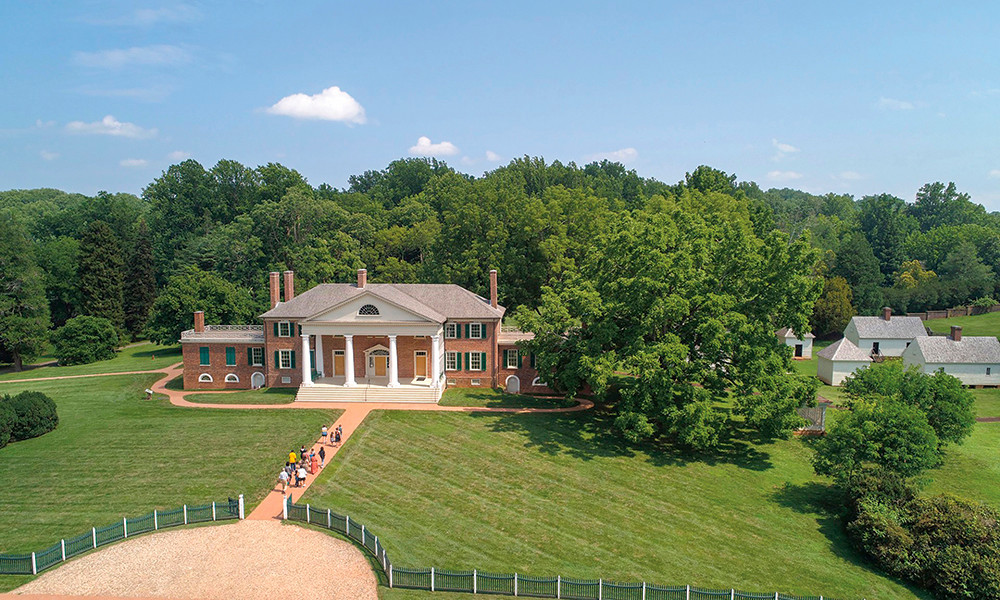
SUMMARY: As we enter 2026, Americans are once again asking fundamental questions about democracy: How did it begin? Who shaped it? And what responsibilities does each generation bear in sustaining it? At James Madison’s Montpelier, the lifelong home of the “Father of the Constitution,” these questions are not abstract commemorations of the past but living challenges that shape the work of civic education today.
By Krista Costello, acting president and CEO, The Montpelier Foundation; Katie Crawford-Lackey, chief project officer; and Kelley Fanto Deetz, chief advancement officer
Just 49 miles southeast of James Madison University sits James Madison’s Montpelier. This Virginia estate was home to James and Dolley, and provided the ultimate place for Madison to retreat, study and eventually lead the creation of the Constitution. As a Founding Father, fourth president of the United States, and architect of the Constitution and Bill of Rights, Madison is one of the most influential Americans in history. His leadership in establishing a governing foundation based on democracy has a lasting and worldwide legacy. As we reflect on America’s 250th birthday, Montpelier is positioned to educate, enlighten and inspire visitors to gain a deeper understanding of our nation’s history.
As we enter 2026, Americans are once again asking fundamental questions about democracy: How did it begin? Who shaped it? And what responsibilities does each generation bear in sustaining it? At James Madison’s Montpelier, the lifelong home of the “Father of the Constitution,” these questions are not abstract commemorations of the past but living challenges that shape the work of civic education today.
Madison’s contributions to American independence and constitutional government are inseparable from Virginia’s essential role in the nation’s founding. From the formation of his early political thinking in central Virginia to his leadership in drafting and defending the Constitution and Bill of Rights, Madison’s life reflects the evolution of revolutionary ideals into durable, democratic institutions.
Yet Madison himself understood that constitutions alone could not guarantee liberty. The success of the American experiment, he believed, depended on an informed citizenry capable of reasoned debate, mutual respect and vigilance against the abuse of power.
Alongside Thomas Jefferson, Madison championed the principles that culminated in Virginia’s Statute for Religious Freedom, a groundbreaking declaration that rejected state-sponsored religion and affirmed liberty of conscience as a natural right. Madison later carried those ideals into the First Amendment, shaping one of the most enduring protections of American democracy. At a time when religious differences were often a source of conflict, Madison insisted that pluralism was not a weakness but a strength.
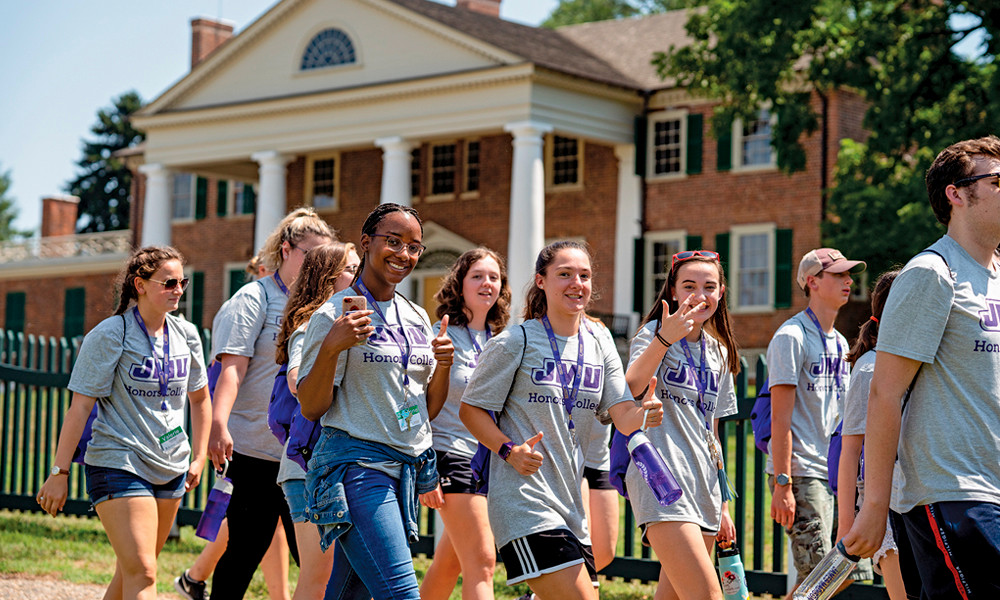
Montpelier today serves as both a historic site and a civic laboratory, using Madison’s legacy as a foundation for contemporary dialogue. As the nation prepares for the semiquincentennial, Montpelier is engaging visitors in thoughtful reflection on the founding era, examining how revolutionary ideas were translated into systems of governance and how those ideas continue to shape civic life. Central to this work is an emphasis on Madison’s intellectual legacy and his belief in deliberation, compromise and constitutional balance.
As part of Virginia’s VA250 initiative, Montpelier is focusing on three interconnected themes that speak directly to Madison’s enduring relevance: freedom of conscience, constitutional democracy and civic participation. Through exhibitions, public programs, scholarly convenings and educational partnerships, Montpelier invites visitors to engage with the founding not as static history but as an ongoing conversation about democratic ideals.
The semiquincentennial is more than a milestone to be celebrated; it is a moment of reflection and recommitment. Madison himself warned that “a people who mean to be their own governors must arm themselves with the power which knowledge gives.” At Montpelier, that charge remains central. The site’s mission is not to prescribe answers but to create space for thoughtful engagement, recognizing that democracy is strongest when citizens understand its origins and responsibilities.
We offer unique experiential programs, where you can be an archaeologist and excavate the Revolution-era blacksmith shop, take a seminar on decorative arts, or participate in one of our Constitutional Literacy programs. Montpelier offers opportunities to not just read about history but be a part of its discovery.
As America looks toward its next 250 years, Montpelier stands as a reminder that the founding was a beginning that requires continual interpretation, debate and renewal. In honoring Madison’s legacy, Montpelier invites you to do what Madison believed was essential: to participate actively, critically and conscientiously in the ongoing experiment of self-government. When you visit JMU, take some time to drive the 49 miles southeast to visit this American treasure.



