What does the Office of
Sexual Assault Prevention (OSAP) do?
OSAP is part of the university that
works with all faculty, staff, and students concerning issues of
sexual assault prevention and healthy, safe relationships. We are
responsible for programs during orientation; we offer support
services including counseling, support group for victims of sexual
assault, crisis counseling, programming and referrals. Our office
is dedicated to the process of all students learning about healthy
choices and healthy living.
Where is the
OSAP?
We are located in the Warren Campus Center, Room 404.
I've heard a lot about
Hillary Wing-Richards, what does she do?
Hillary is the Associate Director of
the Office of Sexual Assault Prevention and the Women's Resource
Center and is the advisor of CARE and One in Four.
Are men allowed to
receive services?
The OSAP is not just for women. We
are very aware that men can be, and are, assaulted as well. Men who
are secondary survivors (i.e., friends of victims) are encouraged
to utilize our services. Our
philosophy encompasses men helping to fight violence against
women.
If I talk to someone from
OSAP about a personal experience, will it go on my
record?
The guidelines of confidentiality
prohibit anyone in OSAP from divulging your name and information.
Anything you discuss will remain confidential. The only limitations
to confidentiality are if you express intent to hurt yourself or
someone else, then we are obligated to report that information.
Your visit in our office will not go on your academic
record.
Is the
Women's ResourceCenter(WRC)
part of OSAP?
Yes, it is a place where students
can relax or gather information about women's issues. Men are
invited to come too! The WRC is responsible for many programs
throughout the year, like Take Back The
Night, The Clothesline Project, and Brown Bag lunches. It is a very
inviting place to be.
I've seen flyers for
CARE...what exactly do they do?
CARE is the Campus Assault ResponsE hotline. Victims, or friends
of victims, of sexual assault can call 24 hours a day and speak
with someone who has been trained in sensitivity response. The phone conversation is confidential and
CARE members can refer a caller if he/she is in need of other
information or support. Their number
is 568-6411.
What is the Sexual
Assault Survivor's Support Group?
This group supports survivors of
sexual assault. We meet 11-12 times a
semester at a scheduled time. Members
of the group decide what to discuss and how the group will run. A
support group is formed every semester and a survivor can join at
any time. All information shared is
bound by the same confidential guidelines as the Office of Sexual
Assault Prevention. Please call
568-3407 ext. 2 for more information.
Does OSAP provide HIV
testing for victims of assault?
OSAP is not directly responsible for
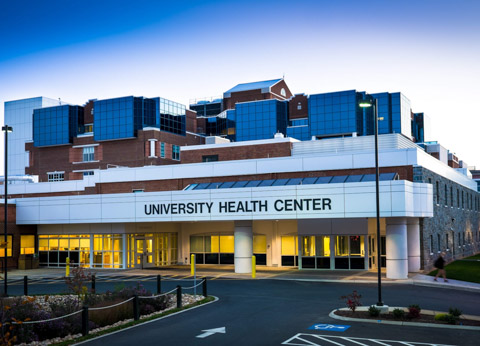
HIV testing, but the University
Health Center provides free anonymous HIV testing. The test and results are
confidential, and HIV counselors have been trained to go over the
results with students.
How do I make an
appointment with the Office of Sexual Assault
Prevention?
If you would like to schedule an
appointment, call Kim at 568-2831. We are here to help!
Exactly what kind of
programs are available to students, i.e., in residence halls,
presentations, information on the commons,
etc.?
Programs
involving communication skills, assertiveness vs. aggression, safe
dating, self-esteem, date rape drug information, how to date and
have fun, how to avoid violence in relationships, sexual assault
awareness campaigns.
What kind of action is
taken against sex offenders at JMU?
As this is often dependent on the offense, what differentiations
are made?
We suggest you call the Office of
Judicial Affairs to get this information.
How does JMU rank among
other colleges and universities as a safe campus/number of reported
assaults? How do reported assaults at
JMU compare to those in the Harrisonburgcommunity (outside the University)?
All college campuses have reported
date rapes and many do not have the services JMU offers. Alcohol and acquaintance or date rapes are
problematic and, therefore, our office strives to educate all
students about safe relationships.
For statistics, contact the Office of Public Safety.
Can you estimate the
percentage of victims of reported assaults who do not press
charges?
Many victims do not report due to
fear of not being believed or being found responsible for underage
drinking or the fear of their parents finding out.
Could you briefly
elaborate on the University's definition of "third party
reports?"
This report is made confidentially,
either by the victim or a person who knows the assault took
place. It is often made to an office
like ours and the victim then decides not to report to police. There is no name on the report other than
the person taking the information.
This is not a legal report. Third
party reports are generally related to incidents where the victim
wishes not to report the matter to police or university security
officials for referral to an internal university disciplinary body
for adjudication.