


The Bachelor of Science degree with a major in Industrial Design equips students with the creative problem solving skills necessary to become innovative design leaders. It empowers students to become positive social, environmental and economic forces in their communities and within the design professions.


Program Objectives
The Industrial Design program emphasizes experimentation and investigation utilizing a rigorous human-centered, studio-based practice. The curriculum addresses the interaction between humans, objects and their environment through an empathy-based “design thinking” approach to problem solving. ID students study sculpture and form, drawing, making, material science, sociological and anthropological research methods, systems thinking, history, writing, and design theory. ID students also receive exposure to basic engineering, advanced manufacturing & fabrication processes, and common marketing, business, and entrepreneurship practices.
The intrinsic interdisciplinary nature of the field of Industrial Design requires students to develop both a depth of design-specific knowledge and technical skills as well as a breadth of knowledge in a variety of associated fields like business and engineering. The JMU ID program is designed to offer many opportunities for students to directly experience a collaborative, applied approach through connection with industry and community partners, internships, study abroad programs and professional critique.
What is Industrial Design?
Read the article: Industrial design: an intensive and innovative major (The Breeze)
Look around you. Notice your shoes, your watch, or your phone. Someone thought about the style, color, and materials of those objects. They planned the way they were manufactured and thought about how you would interact with them. Those people are industrial designers. They develop the stuff of our daily lives. Industrial designers blend together art, engineering, business, sociology and anthropology. Industrial designers experiment and invent. They house inner workings in beautiful, ergonomic, marketable shells. They study people and drive consumer behavior. And that’s just the beginning…
Industrial designers think through making—using their hands, as well as computers—to create drawings and prototypes of novel ideas. Industrial designers ask a lot of questions. They solve problems by doing research, interviewing, and observing the behavior of end-users. They create solutions that satisfy needs and solve problems based on those interactions. Industrial designers also create systems and services. The work they do drives innovation and business strategy. They use their skills to interface with complex, “wicked” problems to instigate communication, foster collaboration, and spur action.

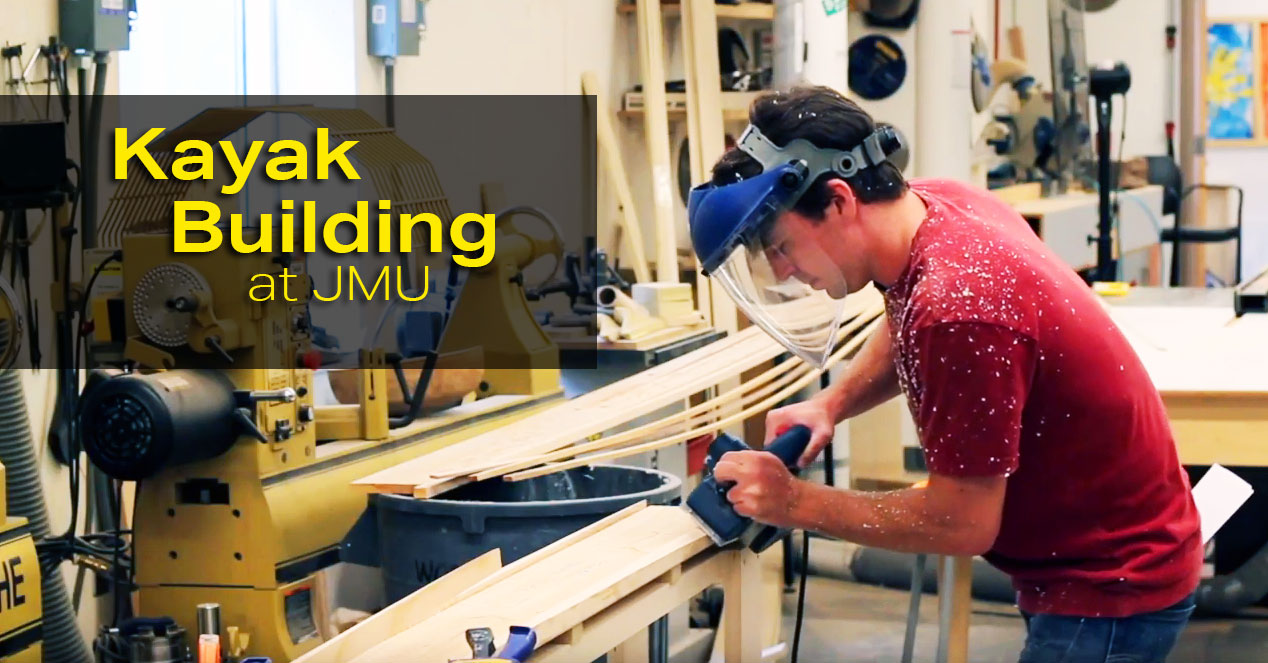
Potential Careers in Industrial Design
- Product Design
- Furniture Design
- Packaging Design
- Transportation Design
- Lighting Design
- 3D Computer Aided Drawing
- Model Making
- Entrepreneurship
- Social Innovation

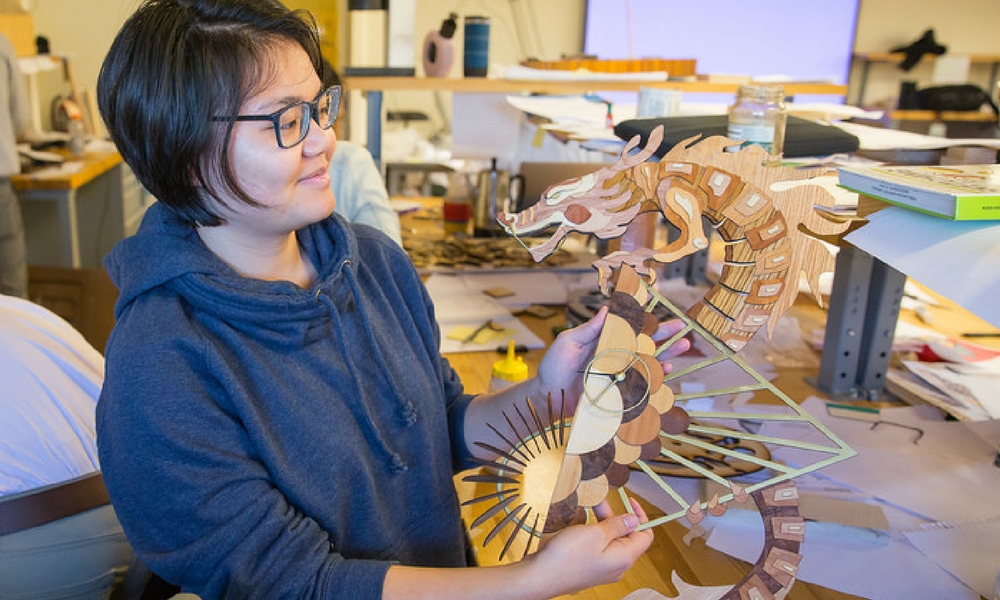
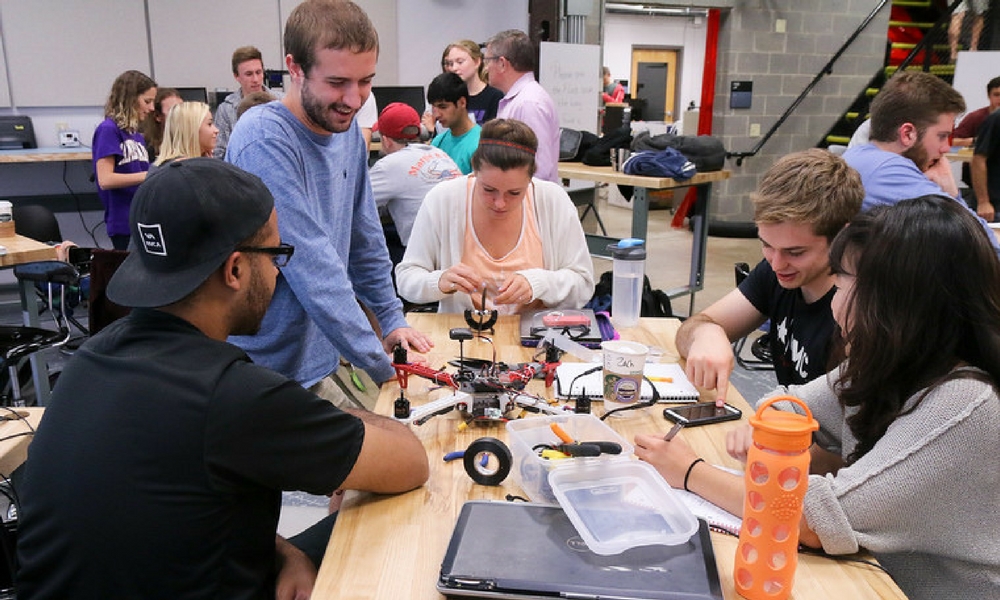
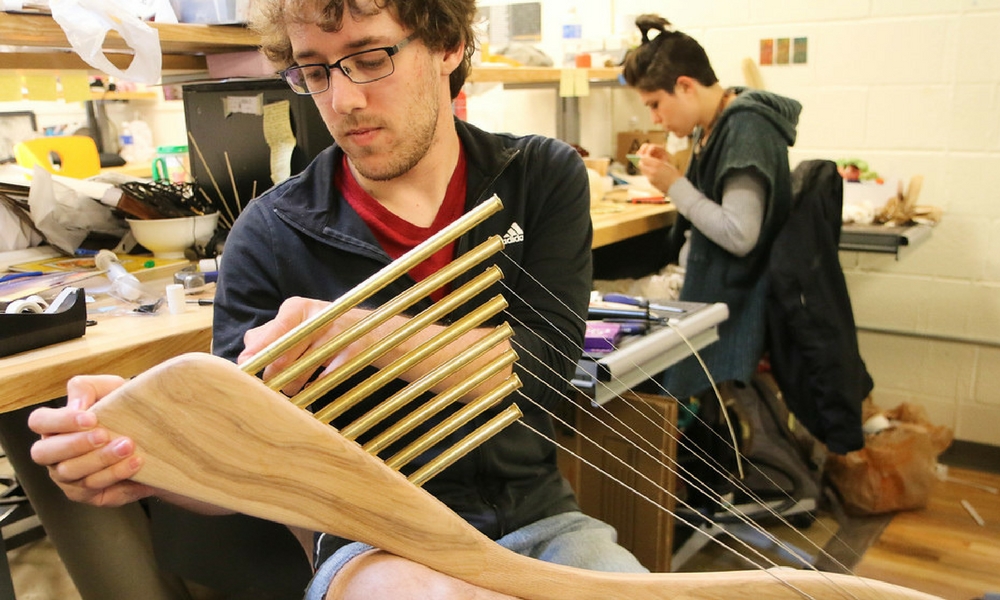
Industrial Designers Society of America

The Industrial Designers Society of America has been in existence since 1965. Its roots stretch beyond that to the beginning of the profession. Some of its members are, and have been, some of the most celebrated industrial designers of all time. IDSA’s presence helps strengthen the industrial design profession as a whole and contributes to the boundless impact of design within business, culture and society.
IDSA defines Industrial Design as “the professional service of creating products and systems that optimize function, value and appearance for the mutual benefit of both user and manufacturer. JMU has a very active IDSA student chapter.
Hardware and Software Requirements
SADAH's programs require all students to have a laptop computer equipped with and capable of running any necessary software. SADAH considers a laptop an essential tool for total participation in classes and content. Read more about SADAH's hardware and software requirements.
Suggested Specifications
Operating System (OS)
MacOS
Storage (GB)
512GB
Screen Size (IN)
16”
Random Access Memory (RAM)
36GB
Graphics Memory (VRAM)
6GB
Processor (CPU)
M3 pro or Intel 13th Gen i7 / i9
Required Specifications
Operating System (OS)
MacOS or Windows 11
Storage (GB)
512GB
Screen Size (IN)
16”
Random Access Memory (RAM)
16GB
Graphics Memory (VRAM)
4GB
Processor (CPU)
M3 pro or Intel 13th Gen i5
Required Software
Adobe Creative Cloud
Keyshot
Microsoft 365*
Rhino
Zoom*
*Provided by JMU

Joon Park
Assistant Professor of Industrial Design

Kevin Phaup
Industrial Design Program Coordinator, Associate Professor of Industrial Design

Anna Marie Smith
Assistant Professor of Industrial Design

André Surles
Instructor of Industrial Design

William Tate
Professor of Architectural and Industrial Design


